International · Europe
How to Plan a Multi-Country Europe Tour: Route, Length and Pace
When planning a multi-country European tour, decide on the length first and then the logic of the route: limit the number of countries to the days you have, order the cities along a geographical line and give big cities at least one full day. Plan your documents first, allowing for the fact that visa applications can take a while. If putting it all together yourself sounds tiring, a group tour with transport and accommodation already arranged solves most of these steps for you.
1. Length first, then the number of countries
The most common mistake is trying to squeeze too many countries into the time available. Even cities that sit side by side on the map take up a large part of your day once you add travel, checking in to the hotel and getting out of town.
A rough framework:
- 5 to 6 days: One country, or two or three countries very close together. For example, the Benelux countries and Paris.
- 7 to 10 days: Two or three countries, with a full day in each big city.
- 2 weeks: A long route combining different regions of Europe.
If you choose a long route, make sure it includes some "fixed days": days when you stay two nights in the same city allow both rest and practical tasks such as laundry and shopping.
2. Build the route like a line
A good European route starts at one point, moves in one direction and avoids doubling back as far as possible. Zigzag routes increase the time spent on the road.
As a concrete example, let us look at the 13-night, 14-day route of the Grand Europe Tour:
- From Istanbul via Kavala and Thessaloniki to Igoumenitsa, then by sea crossing to Bari in Italy
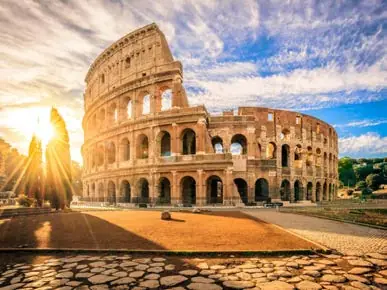
- Rome, Pisa and Florence
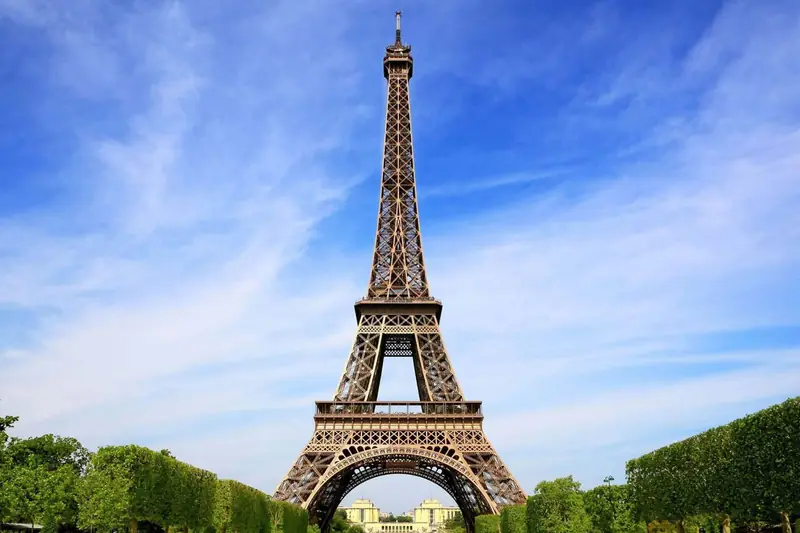
- Paris (two days)
- Bruges, Brussels and Amsterdam
- Prague, Vienna and Budapest
- Return to Istanbul via Belgrade and Sofia
This route circles Europe like a large loop: it enters from the south, heads west, then north, then east, and returns home via the Balkans. The route in the catalogue passes through Greece, Italy, France, Belgium, the Netherlands, Czechia, Austria, Hungary, Serbia and Bulgaria. The catalogue does not specify the mode of transport; the transport plan is given in writing in the quote.
3. Adjust the pace to the participants
The same route means different levels of tiredness for different groups.
- Young people and students: They adapt more easily to a busy pace, but managing energy on long travel days still matters.
- Families: With young children, free time and rest breaks become even more valuable.
- Culture-minded adults: They want more time for museums and historic sites, which can mean fewer cities on the route but longer stops.
On a long route, setting two or three priorities per city instead of trying to see everything everywhere prevents that end-of-trip feeling of "we saw everywhere but remember nothing".
4. Choose the season to suit the route
On a multi-country tour, the climate changes from north to south. You might have a hot day in Rome and a rainy, cool one in Amsterdam. Late spring and early autumn are usually the most balanced times for routes covering a wide area. In summer the days are long, but the big cities are crowded. To pack for this variability, take a look at our Europe tour packing list article.
5. Put documents first
On European tours, the document process is the step of planning that needs to start earliest. Some of the countries on your route may be in the Schengen Area and others outside it; the Grand Europe Tour's route combines both. As visa and entry requirements vary by country, passport type and date, check the current situation before travelling with the official sources of the countries concerned and the Ministry of Foreign Affairs of the Republic of Türkiye. For the general concepts, our overview of the Schengen Area can give you an idea.
6. Discuss budget items in advance
On a group tour, knowing exactly what is included is the key to avoiding surprises on the road. At the quote stage, see in writing whether each item, such as accommodation, transport, guiding, meals, museum entries and city taxes, is included in the package. The Grand Europe Tour catalogue lists hotel accommodation as an included service; we finalise the other details together at the quote stage.
Shorter or more focused alternatives
Not every European trip has to last two weeks. If you are looking for a shorter programme:
- Benelux, Paris and Germany Tour: Belgium, the Netherlands, Luxembourg, Germany and France in 5 nights, 6 days, including a day at Disneyland.
- Classic Italy Tour: Florence, the towns of Tuscany, Rome and Venice in 4 nights, 5 days.
You can see all the options together on our International Tours page.
Frequently asked questions
How many days should a Europe tour be?
It depends on the region you want to see. Five to six days may be enough for a single region, while two weeks is more realistic for a broad route combining several regions.
How many countries can you visit on a Europe tour?
It depends on the length and route. The 13-night, 14-day route of the Grand Europe Tour passes through ten countries; on shorter programmes, though, sticking to two or three countries is more comfortable.
Should you plan a Europe tour on your own or with a group?
Arranging the route, transport and accommodation yourself gives you flexibility but takes a lot of time. Group tours organise these steps in advance, which makes things easier, especially on your first trip to Europe.
When should you apply for a visa?
Application times change from period to period. Before travelling, check the current situation with the official sources of the countries concerned and the Ministry of Foreign Affairs of the Republic of Türkiye, and plan your application as early as possible.