
International · London
London Museums Guide: What to See from the British Museum to Tate Modern
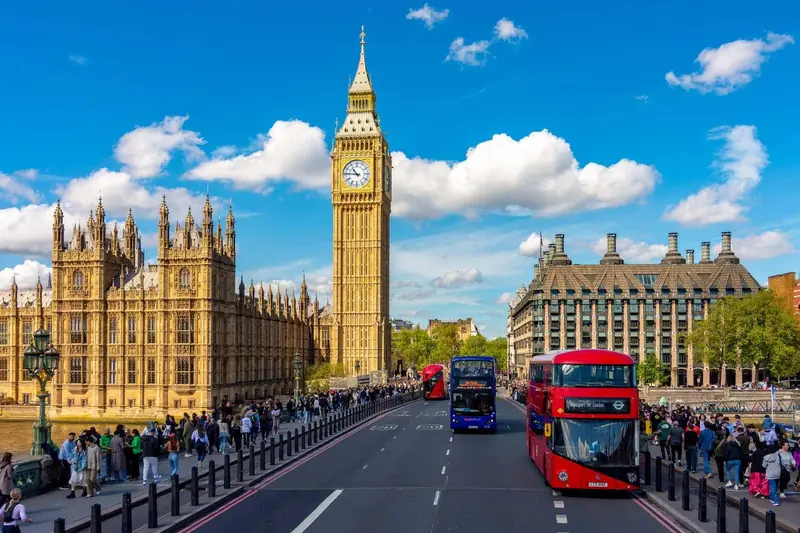
If you have to choose museums in London in a short time, decide according to your interests: the British Museum for ancient civilisations, the National Gallery for painting, the Natural History Museum for dinosaurs and natural history, the Science Museum for science and technology, and Tate Modern for contemporary art. Each of these museums is big enough to fill a day on its own, so choosing a few rooms or works in advance makes your visit far more rewarding.
British Museum: world history under one roof
The British Museum is a vast collection telling the story of humanity across continents and ages. The main works you can focus on during a first visit:
- Rosetta Stone: The stone inscribed in three different scripts that played a key role in deciphering Egyptian hieroglyphs.
- Ancient Egypt galleries: The mummies and sarcophagi are among the sections that most fascinate children and students.
- Parthenon sculptures: Marble sculptures and reliefs brought from the Parthenon in Athens. Greece's long-standing demand for their return is also a well-known debate.
- Works from Anatolia: Sculpture and relief fragments from the Mausoleum at Halicarnassus in today's Bodrum, and the Nereid Monument from the ancient city of Xanthos in Lycia, are on display in the museum. For visitors from Türkiye, these rooms are especially thought-provoking.
- Assyrian reliefs: Huge reliefs and winged bull statues brought from Mesopotamian palaces.
The glass-roofed Great Court in the middle of the museum is also a lovely place for a break.
National Gallery: a summary of European painting
Overlooking Trafalgar Square, the National Gallery offers a broad panorama of European painting from the Middle Ages to the early 20th century. Highlights include Van Gogh's Sunflowers, landscapes by British masters such as Turner and Constable, works by Renaissance masters and Rembrandt's portraits.
Thanks to rooms arranged in chronological order, you can follow the history of painting in a single walk. For students taking art history, this layout is very instructive.
Natural History Museum: dinosaurs and nature
The Natural History Museum in South Kensington is impressive even for its building: its façade, decorated with animal and plant motifs, resembles a cathedral. The huge blue whale skeleton hanging from the ceiling of the entrance hall is one of the museum's icons.
Highlights:
- Dinosaur gallery: A children's favourite, with fossils and moving dinosaur models.
- Earth sciences section: On volcanoes, earthquakes and the structure of the Earth.
- Minerals and meteorites: A collection ranging from precious stones to rocks that fell from space.
Science Museum: the story of science and technology
Right next to the Natural History Museum, the Science Museum presents a history of technology from steam engines to spacecraft. Historic locomotives, the flight gallery, the space exploration section and the history of medicine are among its highlights. Its interactive sections make it a very rewarding stop for student groups. If you are considering a science-themed trip, our CERN and Airbus science trip guide may also interest you.
Tate Modern: contemporary art in a former power station
On the south bank of the Thames, Tate Modern, converted from a former power station, is devoted to modern and contemporary art. The giant Turbine Hall hosts large-scale installations. The view of the Thames and St Paul's Cathedral from the museum's upper floors is also part of the visit. Walking across the Millennium Bridge to St Paul's makes a lovely route.
Other options
- Victoria and Albert Museum (V&A): Design, fashion, ceramics and decorative arts. The Islamic art gallery is also of interest.
- Tower of London: More a historic fortress than a museum, but the Crown Jewels are on display inside.
- Imperial War Museum: The history of modern wars and their impact on people.
Making the most of your museum visit
- Be selective. Trying to see every room in a big museum is exhausting. Pick five to ten works or two or three rooms in advance.
- Study the map beforehand. The floor plans on museum websites help you find your way inside without getting lost.
- Check opening hours and bookings. Some museums or special exhibitions may require you to book a time slot in advance. Check current visiting conditions on the museum's official channels.
- Plan your breaks. Museum fatigue is real. A short break every hour or two refreshes your attention.
- Task cards for students: With school groups, giving each student a few works to find turns the visit into a discovery game.
Museums outside London
On a tour of Britain, your interest in museums does not have to stop at London. The National Museum of Scotland in Edinburgh covers Scottish history and natural sciences with a large collection. Highlights include the exhibition centre telling the story of the Titanic in Belfast and the Book of Kells on display at Trinity College in Dublin. Whether these are added to the programme depends on the route and is confirmed at the quote stage.
Making time for museums on the tour
The Great Britain Tour covers London along with Scotland, Wales, Northern Ireland and the Republic of Ireland in 7 nights, 8 days, and the catalogue specifies professional guiding services. The day-by-day route is shared at the quote stage; at this stage we confirm with you which museums in London to make time for, based on your group's interests. You can find our general approach for school groups on our school trips page.
Frequently asked questions
Which museum should a first-time visitor to London see?
It depends on your interests, but the British Museum, with the breadth of periods and regions it covers, is the first choice for most visitors.
How long does it take to see the British Museum?
The museum is so big that seeing all of it takes days. A visit focusing on works chosen in advance can be done in a few hours.
Which London museum should you visit with children?
The Natural History Museum, with its dinosaurs, and the Science Museum, with its interactive sections, are very popular with children and teenagers. Both are in the same area, right next to each other.
Do you need to book in advance to enter London museums?
This varies by museum and period; some special exhibitions may require you to book a time slot in advance. Check current conditions on the museum's official channels.