International · Georgia
Practical Information for a Trip to Georgia: Seasons, Money, Food and Customs
If you are going to Georgia for culture and nature, the period from late spring to mid-autumn is the most comfortable time: the weather in Tbilisi is good for sightseeing, and the mountain road up to Kazbegi is usually more trouble-free. The currency is the lari, and the cuisine, with khachapuri, khinkali and its wine culture, is one of the most enjoyable parts of the trip. Below we have gathered the practical points you need to know before you set off.
When to go
Georgia is a small country, but its climate varies markedly from region to region. Between Tbilisi and mountainous Kazbegi, you can feel the difference in weather even on the same day.
- Spring: Tbilisi and its surroundings turn green, and the weather is good for sightseeing. Snow can linger in the mountains; take a warm layer when heading to higher areas.
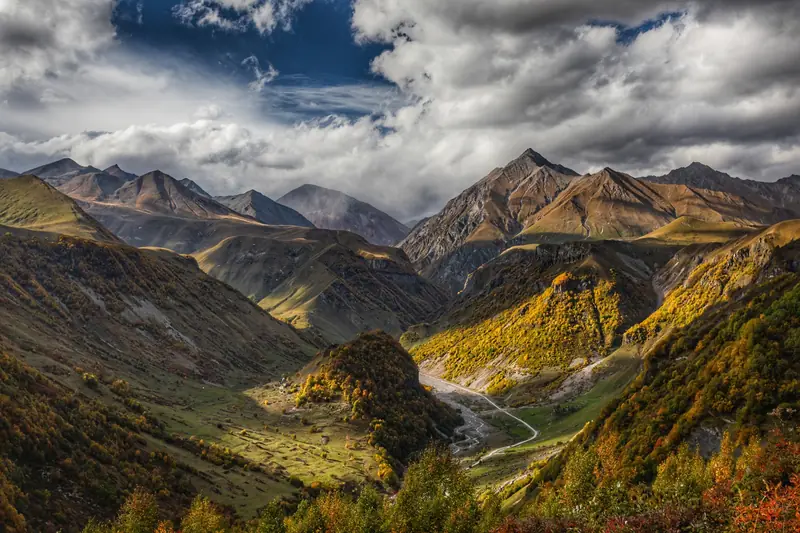
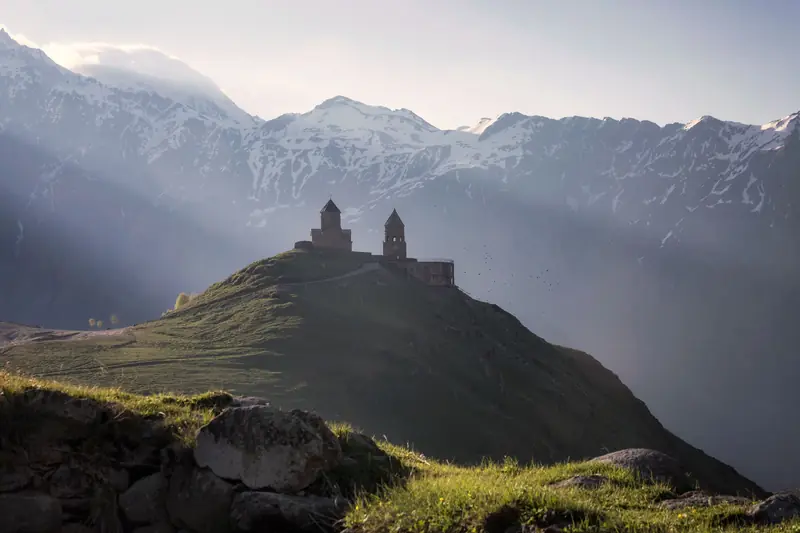
- Summer: Tbilisi can be hot, so it is a good idea to move city sightseeing to the morning and evening. The mountain region, on the other hand, is cool and green, and the Kazbegi views are at their clearest.
- Autumn: This is grape harvest season. In wine regions such as Kakheti, harvest time is lively, and the forests change colour. It is an excellent season for cultural trips.
- Winter: The mountains are covered in snow and the region enters the ski season. Snow and ice can affect travel on the Georgian Military Road. On a trip focused on culture and nature rather than skiing, this can change how the programme runs.
Money and spending
Georgia's currency is the lari. Card payments are common in the cities, but keep some cash with you for markets, small shops and rural stops. Exchange offices are easy to find in city centres. As prices can change, it is enough to think ahead about what you will spend in your free time according to your own budget.
Language and communication
The official language is Georgian, which has its own unique alphabet not used by any other language in the world. In tourist areas, most signs are also written in Latin letters. English is common among young people and Russian among older people; you may also come across shopkeepers who speak Turkish. Learning a few words is always appreciated: "gamarjoba" (hello) and "madloba" (thank you) are a good start.
Georgian cuisine: what to eat
Georgian cuisine is rich in cheese, walnuts and spices. Dishes you must try:
- Khachapuri: Cheese bread. The best-known type is the boat-shaped Adjarian khachapuri, served with an egg and butter in the middle. Other types are rounder and flatter.
- Khinkali: Large dumplings filled with juicy meat. They are eaten by hand, holding them by the knot at the top: first you take a small bite and drink the broth, then you eat the rest. The knot is usually left on the side of the plate.
- Pkhali: A cold starter of vegetables such as spinach, beetroot or beans mixed with walnuts and shaped into balls.
- Badrijani: Thin slices of fried aubergine rolled around a walnut paste.
- Churchkhela: A traditional sausage-shaped sweet made by threading walnuts or hazelnuts on a string, dipping them in grape must and drying them.
Table and wine culture
Georgia is known for its very ancient winemaking tradition. The traditional method of making wine in large clay vessels (qvevri) buried in the ground is on UNESCO's list of Intangible Cultural Heritage.
A Georgian feast is called a "supra". The person who leads the supra is called the "tamada"; the tamada proposes toasts in turn, and these speeches can be long, emotional and poetic. If you don't drink alcohol, you can raise your glass with water or juice; nobody will be offended. Hospitality is very important to Georgians, and guests are offered plenty of food and drink.
Dress and customs
- When entering churches, women are expected to cover their heads and wear skirts, and men to wear long trousers.
- For the mountain region, take a warm layer, a windbreaker and non-slip shoes, even in summer.
- Be quiet inside churches and during religious services, and check the notices before taking photos.
Documents
Visa, passport and entry requirements vary by country, passport type and date. Before you travel, check the current situation with Georgia's official sources and the Turkish Ministry of Foreign Affairs; we also share the current requirements at the quotation stage. For general preparation, our article on getting your passport ready for travel abroad may be useful.
Which tour is this information based on?
The Georgia Tour: Tbilisi, Mtskheta and Kazbegi is a 3 nights, 4 days programme with hotel accommodation. Tbilisi's old town, Mtskheta, and Gudauri and Kazbegi via the Georgian Military Road are part of this programme; on the afternoon of the third day there is free time or the option of a trip to the Kakheti wine region. It is considered suitable for young people, families, corporate groups and nature lovers. This tour is a new programme not included in the catalogue.
For the stops, see our Tbilisi, Mtskheta and Kazbegi guides.
What to buy as souvenirs
The most popular souvenirs to bring back from Georgia are local flavours and handicrafts. Churchkhela is a practical gift because it is light and keeps for a long time. Georgian spice blends and tkemali (sour plum sauce) are a good choice for those who love cooking. Handmade felt products, enamel jewellery known as minankari and ceramics are also common in the markets. If you are buying wine or other liquids, check the airline and customs rules in advance and protect the bottles well in your suitcase.
Frequently asked questions
What is the best season to go to Georgia?
For culture and nature trips, late spring, summer and autumn are comfortable periods. Autumn is especially enjoyable because of the grape harvest. In winter, snow on the mountain roads can affect travel.
What currency is used in Georgia?
Georgia's currency is the lari. Cards are widely accepted in the cities, but it is a good idea to keep some cash for small shops and markets.
How do you eat khinkali?
Khinkali are eaten by hand, holding them by the knot. First you take a small bite and drink the broth inside, then you eat the rest; the knot is usually left on the plate.
Is it awkward at the table in Georgia if you don't drink alcohol?
No. You can join in the toasting tradition with water or juice. Within Georgian hospitality, this is seen as perfectly natural.