International · Japan
When to Go to Japan? Pros and Cons, Season by Season
For first-time visitors to Japan, the most balanced periods are spring (late March to May) and autumn (late October to November): the weather is mild, walking around the cities is a pleasure and nature is at its most colourful. Summer brings humidity and rain and winter brings cold, but both seasons have their own advantages. Make your final decision based on the scenery you want to see and how much you can put up with crowds.
Spring: sakura and crowds
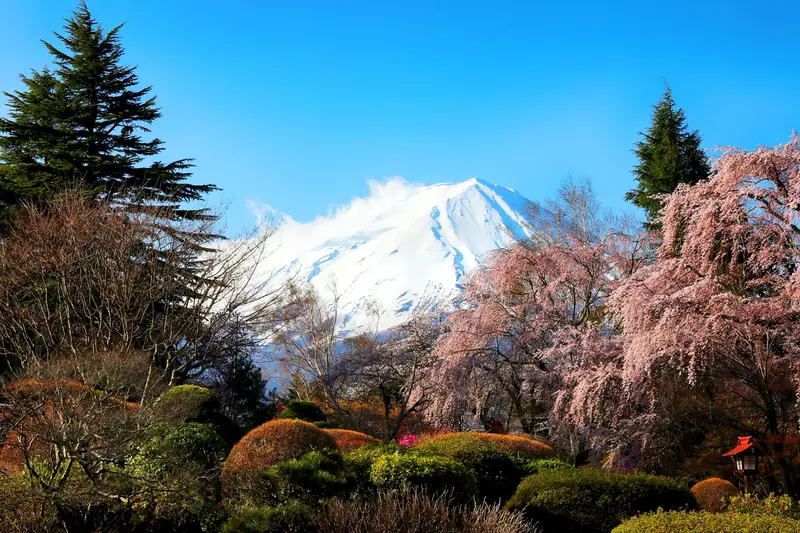
The image most people have of Japan is parks under cherry blossoms (sakura). In Tokyo and Kyoto, the blossom usually comes at the end of March or the beginning of April; it moves from south to north, so it appears later in Hokkaido. The period of full bloom is short and shifts by a few days each year depending on the weather.
The Japanese celebrate this period with the picnic tradition called hanami: the parks fill with picnic blankets and the trees are lit up in the evenings. The price of this beauty is the crowds. Popular parks and temples get busier, and demand for accommodation rises.
Golden Week, from late April to early May, is when several public holidays fall one after another. As the Japanese also go on holiday, trains and tourist sites are very full. If possible, keep this week out of your route.
Summer: rainy season, heat and festivals
From early June to mid-July, most of the country has the rainy season known as tsuyu. It is not constant downpours, but mostly grey and humid days. One of the beauties of this period is the hydrangeas (ajisai) in bloom; in places such as Kamakura, temple gardens fill with purple and blue flowers.
July and August are hot and very humid. Walking around the city can be tiring; spending the middle of the day in museums, shopping centres or other indoor spaces and moving sightseeing to early morning and late afternoon works well. On the other hand, summer is the season of fireworks displays and neighbourhood festivals (matsuri). Gion Matsuri in Kyoto is one of the best known.
During Obon in mid-August, many Japanese return to their home towns, and transport gets busy for those few days. At the end of summer and the start of autumn there is a risk of typhoons. As typhoons can disrupt flights and train services, it is a good idea to keep your programme flexible in these months.
Autumn: momiji and clear skies
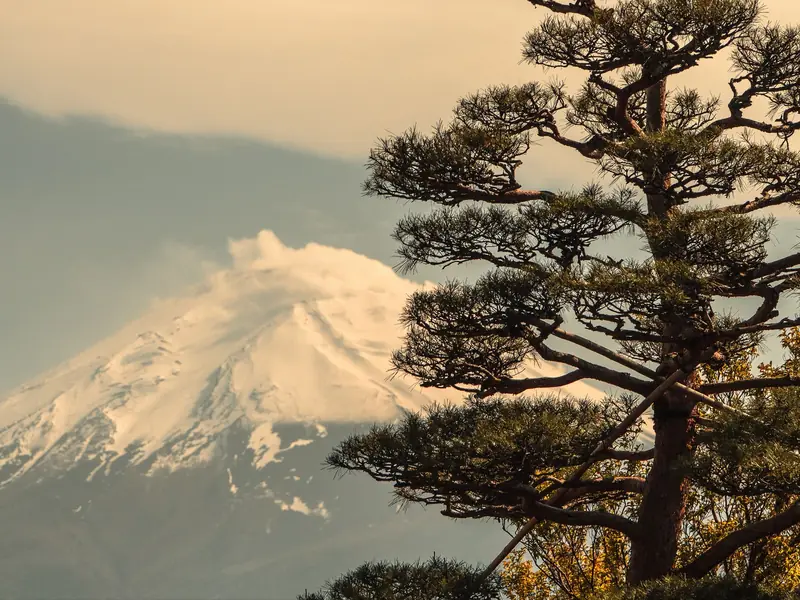
For many travellers, autumn is Japan's most enjoyable season. The heat and humidity fade and the skies are clear more often. In November, places such as Kyoto, Nikko and Hakone have the momiji (red leaves) season, when the maple trees turn crimson and orange. Temple gardens are at their most photogenic at this time.
Kyoto's famous sights are crowded in autumn too, but not as much as in spring. With light layers and comfortable shoes, it is a good season for walking all day. September is a transition month: the heat and humidity often continue, and the chance of typhoons has not completely passed. You will enjoy autumn at its best after mid-October. The colours start earlier in the north and in mountain areas, and peak in cities such as Kyoto and Tokyo from mid to late November.
Winter: cold but clear
Between December and February, Tokyo, Kyoto and Osaka are cold but usually dry and sunny. Snow is rare in the big cities. This period has two important advantages:
- Views of Mount Fuji: As the air is clearer in winter, your chances of seeing Fuji's snow-capped summit are usually higher.
- Smaller crowds: Apart from the New Year holiday, tourist sites are quieter.
In the north, Hokkaido and the Japanese Alps are a world of their own for snowy scenery, skiing and hot springs. The snow festival in Sapporo draws many visitors every February. Also bear in mind that some museums and shops may be closed over the New Year period (late December, early January), while temples fill with New Year visitors.
Which season suits whom?
- If you are going for the first time and want the classic images: Spring or autumn.
- If you want to avoid the crowds: Midwinter or early June (prepared for rain).
- If festivals and nightlife interest you: Summer.
- If seeing Fuji clearly is your priority: The clear days of winter and autumn.
- For school or corporate groups: Mild periods outside the public holidays make planning easier.
Once you have decided on the season, you need to pack accordingly; for that, take a look at our what to pack for Japan article.
When can our tour run?
TatiliYakala's Japan tour is a 6 nights, 8 days programme covering Tokyo, the Fuji area, Kyoto, Nara and Osaka. The Fuji day in the programme is planned as "views of Fuji if the weather is clear", which shows how much the season matters. As it is a new programme not yet in the catalogue, we agree on the right period and details for your group together at the quote stage.
Frequently asked questions
When do the cherry blossoms bloom in Japan?
In Tokyo and Kyoto, the blossom usually comes between the end of March and the beginning of April. The date varies each year with the weather; you need to follow that year's forecasts before travelling.
When is the rainy season in Japan?
In most of the country it lasts from early June to mid-July. Hokkaido is largely unaffected by this rainy season.
Is it a good idea to go to Japan in winter?
Yes, if you are prepared for the cold. The cities are quieter, the sky is mostly clear and your chances of seeing Mount Fuji usually increase.
Can you go to Japan during Golden Week?
You can, but trains, hotels and tourist sites get very crowded. If your dates are flexible, avoiding this week in late April and early May makes for a more comfortable trip.