Istanbul trips · Beşiktaş
Beşiktaş Naval Museum and Harbiye Military Museum: History to the Sound of the Mehter Band
The Naval Museum in Beşiktaş and the Military Museum in Harbiye are a short distance apart, so you can visit both on the same day: maritime history and the imperial barges in the morning, military history and the Mehter Band performance in the afternoon. Because the pair links directly to social studies and history lessons, it is a popular school trip. The key to the trip is the Mehter performance schedule; you need to choose your date around it.
Morning: what to see at the Naval Museum
The Naval Museum is on the shore of the Bosphorus, close to the Beşiktaş pier and the Tomb of Barbaros Hayreddin Pasha. Its collection spans Ottoman seafaring through to the Republican era. On our tour, the visit includes a guide's commentary.
The most impressive part of the visit is usually the imperial barges. These long, ornate boats, used by the sultans on the Bosphorus and the Golden Horn, catch students' attention at first sight. Through the number of oarsmen, the boats' decoration and their purpose, the guide explains palace life of the period and the city's relationship with the sea.
You will also come across the following in the museum:
- Ship models and navigational instruments
- Documents, maps and paintings from maritime history
- Sections on important figures in Turkish seafaring
Questions that capture students' attention
- How many people might it take to row an imperial barge?
- Before there were bridges in Istanbul, how did people cross between the continents?
- How was a map drawn centuries ago?
Midday: the Harbiye Military Museum and the Mehter Band
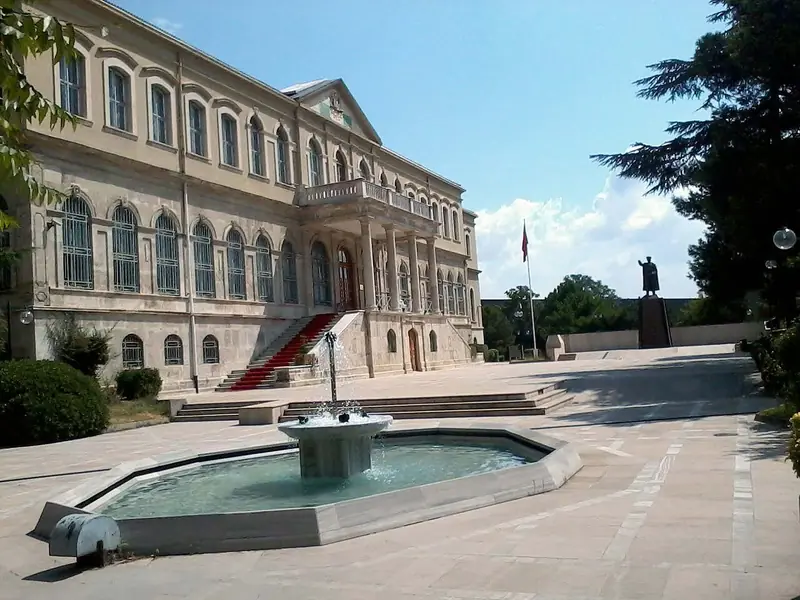
The second stop is the Military Museum in Harbiye. The museum is housed in a historic building used as a military school in the Ottoman period; Mustafa Kemal Atatürk also studied here, which gives the building extra meaning for students. The collection includes weapons, armour, uniforms, banners and artefacts of military history from different periods.
The part that makes the day unforgettable is the Mehter Band performance. Made up of drums, zurnas, kettledrums (kös) and cymbals, mehter music is the marching and ceremonial music of the Ottoman army. Watching the performance live turns a paragraph in the textbook into a loud and colourful experience. As the catalogue also notes, the performance keeps primary and middle school students especially engaged.
How is the day planned?
The Beşiktaş Naval Museum and Harbiye Military Museum Tour is a day-trip programme lasting about seven hours:
- 09:00 Departure
- 09:30 Beşiktaş Naval Museum, with a guide's commentary
- 11:00 Harbiye Military Museum and the Mehter Band performance
- 15:00 Departure for the return
- 16:00 Arrival
The guide's commentary at the Naval Museum and the Mehter Band performance in the programme are part of the tour. Departure and arrival times are adapted to your school's location at the quote stage.
A note when choosing a date: the Mehter schedule
The days and times of the Mehter Band performance are set by the museum. So you need to choose the trip date around the performance schedule rather than your own calendar first. If you give us a few alternative dates when requesting a quote, we will choose a suitable day together. Official ceremony days and special events can affect the schedule, so if anything changes we will let you know in advance.
Which year groups is it suitable for?
- Primary school: The imperial barges and the Mehter performance are visually and aurally powerful, so they spark interest even at a young age. It is enough to keep the time inside the museums short.
- Middle school: There is a direct link to the topics of the Ottoman state, the War of Independence and Atatürk.
- High school: A trip that serves as a resource for the topics of military organisation, seafaring and modernisation in history lessons.
It also makes an enjoyable day for families and cultural groups; our programme caters for all three audiences.
Back in the classroom
- Mehter rhythm: Try out the rhythm of the mehter march in class using desks or simple percussion objects.
- Barge design: Ask students to draw their own imperial barge, choosing decorative motifs inspired by what they saw in the museum.
- Timeline: Put five events chosen from maritime and military history in chronological order.
Practical notes
- There is a lot of walking and standing to listen in the museums; comfortable shoes are recommended.
- Photography rules may vary from section to section.
- There are options for lunch in and around Harbiye; if you would like a group meal, we will plan it together at the quote stage.
If you are looking for a similar museum day, take a look at the Istanbul City Tours page for other options.
A short preparation in class before the trip
For students who have never heard mehter music before, the performance can be a surprisingly powerful experience. Playing a short mehter recording in class a few days before the trip and introducing the instruments helps students watch the performance with more awareness. Talking about how the drum, the zurna and the kös make their sounds also creates a link with music lessons.
You can do similar preparation for the Naval Museum: show the Bosphorus, the Golden Horn and Beşiktaş on a map of Istanbul, and try to guess which waters the imperial barges were used on. That way, when students enter the museum, they will easily connect the barges they see with the city's geography.
Frequently asked questions
Is the Mehter performance held every day?
The days and times of the performance are set by the museum. We choose the trip date together, based on the performance schedule.
Can you visit the Naval Museum and the Military Museum on the same day?
Yes. The two museums are close to each other, so you can comfortably visit both on the same day. Our tour includes the Naval Museum in the morning, followed by the Military Museum and the Mehter performance.
Is there a guide at the Naval Museum?
Yes, on our tour the Naval Museum visit includes a guide's commentary.
What ages is this trip suitable for?
It suits all school groups from primary to high school. The Mehter performance especially appeals to primary and middle school students.