International · Japan
How Many Days Do You Need for Japan? Route Ideas for 1 Week, 10 Days and 2 Weeks
For a first trip to Japan, a week to ten days is enough to see Tokyo, the Fuji area, Kyoto, Nara and Osaka without rushing. Given that flights and the time difference partly take up the first and last days, the actual sightseeing time on an eight-day programme is about six days. If you can set aside two weeks, you can add stops such as Hiroshima, Hakone or the Japanese Alps and stay longer in the cities.
Three things that decide the number of days
Entry and exit point. Flying into Tokyo and back from Osaka (Kansai airport) saves you retracing your steps and gains at least one day. This is called an "open-jaw" route.
Distance between cities. Thanks to Japan's high-speed Shinkansen, Tokyo to Kyoto takes a few hours. Even so, every change of city means checking out of the hotel, getting to the station and settling into a new hotel; in practice it takes half a day.
Your pace. Walking all day is normal in Japan. Walking from temple to temple in Kyoto and changing trains inside stations in Tokyo is tiring. Not putting more than two main areas into a day's programme and leaving the evenings free keeps the pace balanced.
One week to eight days: the classic route
The most popular plan for a first trip is this:
- Tokyo (2–3 days): Asakusa, Meiji Jingu, Harajuku, Shibuya, Shinjuku. Set aside an evening for the night views.
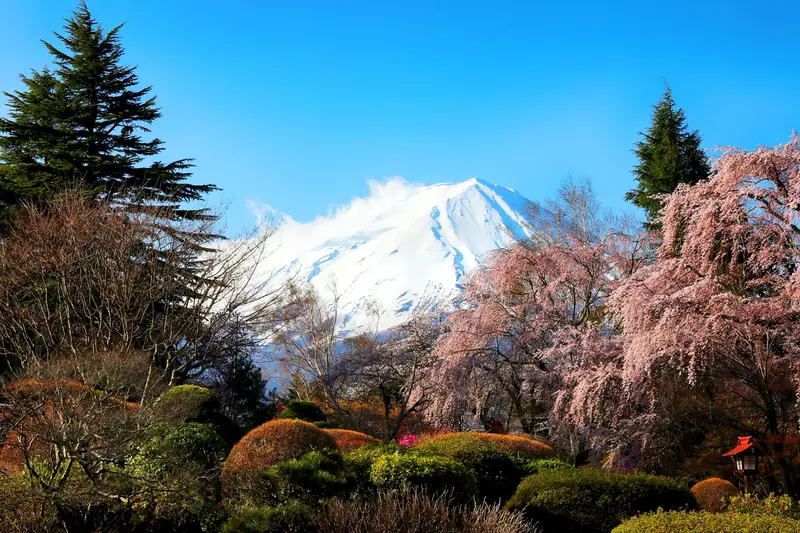
- Fuji area (1 day): A day trip from Tokyo to Kawaguchiko or Hakone.
- Kyoto (2 days): Day one, Fushimi Inari and Kiyomizu-dera; day two, Kinkaku-ji, Arashiyama and Gion in the evening.
- Nara and Osaka (1 day): Todai-ji and the deer park in Nara in the morning, Dotonbori in Osaka in the evening.
- Return: From Osaka.
On this plan, every day is full but unhurried. Squeezing Kyoto into a single day is the most common mistake on this route.
Ten days: a programme with room to breathe
If you add three days to the same route, you have two options:
- Going deeper in the same cities: Making time for Ueno, Akihabara or the Tsukiji outer market in Tokyo, and for quieter temples and a tea ceremony in Kyoto.
- Adding a new stop: Going from Kyoto or Osaka to Hiroshima and Miyajima and staying one or two nights. The Peace Memorial Park and the torii gate in the sea add a completely different feeling to the route.
A night in a traditional ryokan (Japanese inn) with a hot spring (onsen) in Hakone is also a popular choice on ten-day programmes.
Two weeks: different sides of Japan
If you have two weeks, you can step outside the classic route:
- Japanese Alps: Takayama with its old streets and Shirakawa-go with its traditional village houses.
- Kanazawa: The famous Kenroku-en garden and the old samurai and geisha districts.
- Nikko or Kamakura: A day trip or overnight escape from Tokyo.
- Hokkaido: Heading north on a separate flight, especially in winter or summer.
This length of time also lets you take advantage of the difference in crowds between weekends and weekdays. Putting popular places on weekdays and quieter stops at the weekend works well.
Common mistakes when planning days
- Planning a lot for your arrival day. After a long flight and the time difference, a light walk in a nearby district is enough on the first day.
- Changing hotels every day. Moving with luggage takes time. Staying a few nights in hubs such as Tokyo and Kyoto and taking day trips from there is more efficient.
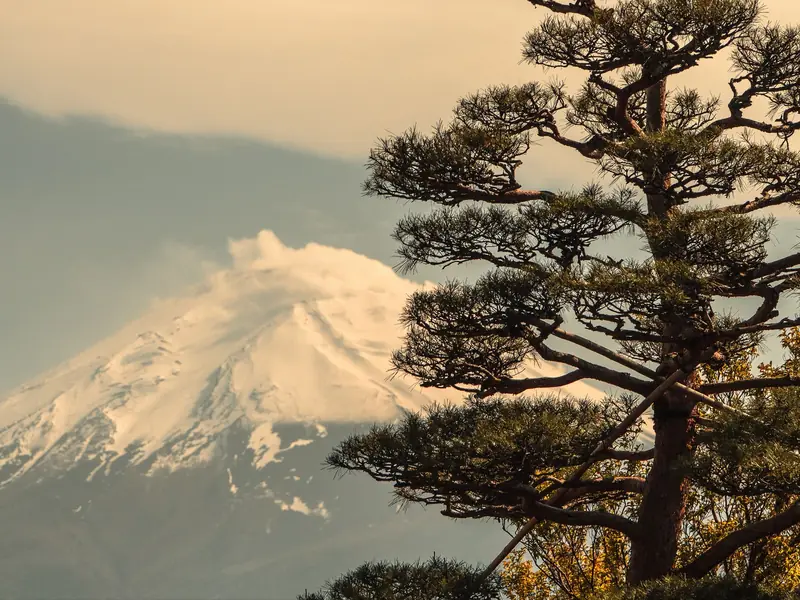
- Tying Fuji to a single day. The mountain is often hidden behind clouds. On a flexible programme, it may be possible to shift the Fuji day according to the weather.
- Not taking the season into account. In summer, midday is very hot and humid; in winter, the days are short. For planning by season, see our when to go to Japan article.
Our tour: 6 nights, 8 days
TatiliYakala's Japan tour follows exactly this classic route. The programme is as follows:
- Day 1: Evening direct flight from Istanbul to Tokyo, overnight on the plane.
- Day 2: Arrival in Tokyo; Asakusa and Senso-ji in the afternoon, hotel check-in.
- Day 3: Tokyo city tour: Meiji Jingu, Harajuku, Shibuya crossing and Shinjuku; free time in the evening.
- Day 4: Day trip to the Fuji area (Kawaguchiko lakeshore, views of Fuji if the weather is clear) and return to Tokyo.
- Day 5: Shinkansen to Kyoto; Fushimi Inari Taisha and Kiyomizu-dera, overnight in Kyoto.
- Day 6: Kinkaku-ji, Arashiyama bamboo grove and Gion in Kyoto.
- Day 7: Todai-ji and the deer park in Nara; transfer to Osaka in the afternoon, Dotonbori in the evening.
- Day 8: Return to Istanbul from Osaka (Kansai) airport.
This structure, flying into Tokyo and out of Osaka, is based on the open-jaw route logic described above. As it is a new programme not yet in the catalogue, we clarify the details for your group together at the quote stage.
Frequently asked questions
Are 5 days enough for Japan?
In five days you can see Tokyo and its surroundings, or just Kyoto and Osaka. If you want to see both regions, a week is more realistic.
How many days should you stay in Tokyo?
On a first visit, two or three full days are enough to see the main districts. You can add a day trip such as Fuji or Nikko.
How many days should I set aside for Kyoto?
We recommend at least two days. As the major temples are at different ends of the city, a single day would be very rushed.
How do you travel between cities in Japan?
The most common way between the main cities is the Shinkansen high-speed train. Domestic flights are also used for more distant regions, such as Hokkaido.