International · Norwegian fjords
Norwegian Fjords Guide: What Is a Fjord and How to See One
A fjord is a long, narrow inlet flanked by steep mountains, formed when sea water filled deep valleys carved by glaciers over thousands of years. The west coast of Norway is where these formations are most concentrated, and fjords are mostly enjoyed by boat from the water or from viewpoints above. On a group tour, the fjord day is often the most memorable part of the journey.
How were the fjords formed?
During the last ice ages, most of Norway was covered by thick ice sheets. As these glaciers moved through the mountains towards the sea, they deepened the valleys in their path and carved out U-shaped, steep-walled clefts. When the ice melted, the sea flooded these valleys. The result was inlets reaching many kilometres inland, sometimes very deep, with calm, glassy-looking water.
So in a fjord you are at sea, but instead of beaches you see rocky slopes around you, waterfalls tumbling down them and small villages clinging to the shore. The water is usually still, which makes a boat trip much calmer than on the open sea.
Highlight fjords
Norway has hundreds of fjords, but some are famous enough that you will hear their names often:
- Sognefjord: Known as Norway's longest and deepest fjord. With narrow arms branching off its main channel, it spreads over a wide area.
- Nærøyfjord: One of the narrow, dramatic arms of the Sognefjord. It is famous for how narrow it is between its steep walls.
- Geirangerfjord: Known for the waterfalls cascading down its slopes and its winding scenic roads.
- Hardangerfjord: Known for the orchards along its shores, it offers a special sight in spring with its trees in blossom.
Geirangerfjord and Nærøyfjord are on the UNESCO World Heritage List. Which fjord region you see on your tour depends on the season and the route; we confirm this at the quote stage.
Three ways to see a fjord
By boat on the water
This is the classic fjord experience. As the boat moves through a narrow arm, the mountains rise on either side and you can hear the waterfalls. On deck the wind can be cool; a hooded jacket and a hat come in handy even in summer. For photos, the rear and side decks of the boat are generally the easiest spots.
From the road and viewpoints
In Norway's fjord regions, roads wind their way between valleys and slopes. Even passing through by coach, the scenery keeps changing. Viewing platforms higher up let you see the fjord as a whole; the view from the boat and the view from above complement each other.
A stop in the shoreline villages
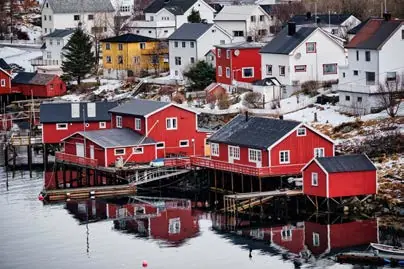
The small villages on the fjord shore, with their wooden houses and jetties, are ideal for a short walk and a coffee break. Gazing at the water here without rushing is the easiest way to feel the fjord's silence.
Preparing for your fjord day
The fjord day is long and spent outdoors. Bringing the following will make things easier:
- A waterproof, windproof jacket
- Walking shoes with non-slip soles (jetties and paths can be wet)
- A small backpack, water bottle and snacks
- A spare battery for your phone or camera
- Sunglasses (the glare off the water can be strong)
The weather in the fjord region changes quickly. A day that starts misty in the morning may clear up by midday, or the other way round. Mist and low cloud add a mystery of their own to the fjord; the view may not always look like a postcard, but that is part of the experience. For choosing the season, see our article on when to go to Scandinavia.
How fjords fit into a tour programme
The Scandinavia and Fjords Tour lasts 5 nights, 6 days and covers Sweden, Norway and Denmark. The catalogue lists Stockholm, the Norwegian fjords and Copenhagen as highlights. Flights with Pegasus Airlines, accommodation in 4-star hotels, breakfast and dinner, transport by luxury coach and professional guiding are included.
The day-by-day schedule of the fjord section, whether there is a boat trip and which region is visited are shared with the quote once the date is confirmed. If your group has any particular expectations (for example more walking or a slower pace), telling us at the start makes planning easier.
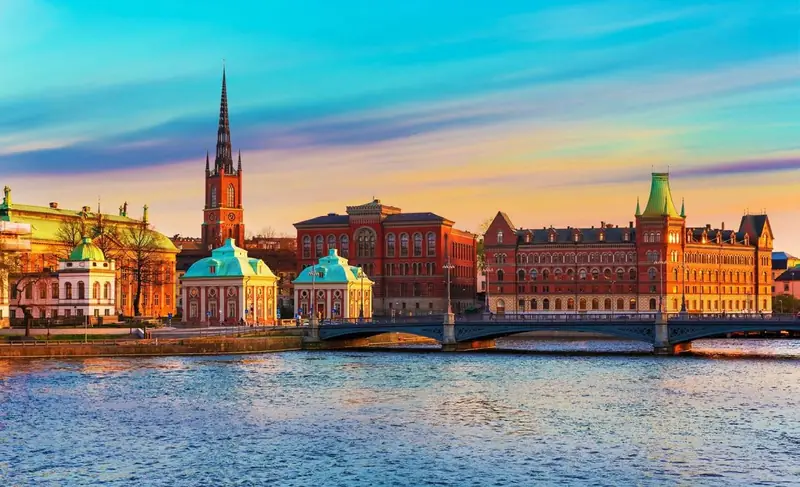
If you are curious about the city side of the tour, take a look at our Stockholm and Copenhagen guide.
Photo tips for the fjord region
Fjords are a favourite with photographers, but the narrow valleys and changeable light call for a few small adjustments. A wide-angle lens, or your phone's wide-angle mode, helps you fit the steep slopes and the water into one frame. In the morning, when the water is still, the reflection of the mountains in the water is very sharp. When shooting from the boat, hold your phone freely in your hand rather than resting it on the rail, so that engine vibration does not affect it. A fine cloud of spray can form near waterfalls; carry a small cloth to wipe your lens. Finally, do not watch every moment through a screen: the silence and scale of a fjord are an experience that never quite fits into a photo.
Frequently asked questions
What is the difference between a fjord and a bay?
A fjord is also an inlet of the sea, but it is formed when sea water fills a narrow, deep valley carved by glaciers. That is why it is flanked by steep mountains and stretches inland like a long arm.
What are Norway's most famous fjords?
Sognefjord, Nærøyfjord, Geirangerfjord and Hardangerfjord are the most frequently mentioned fjords. Geirangerfjord and Nærøyfjord are on the UNESCO World Heritage List.
Do you get seasick on a fjord boat?
The water in the fjords is usually much calmer than on the open sea, so most people are comfortable. If you are prone to seasickness, it helps to stay on deck in the fresh air and look at the horizon.
Which season is best for seeing the fjords?
Late spring and summer are when the waterfalls are at their fullest and the days are long. Autumn is beautiful with its colours but wetter. In winter some roads may be slower because of snow.