International · Scandinavia
When to Take a Scandinavia Tour? The North by Season and What to Wear
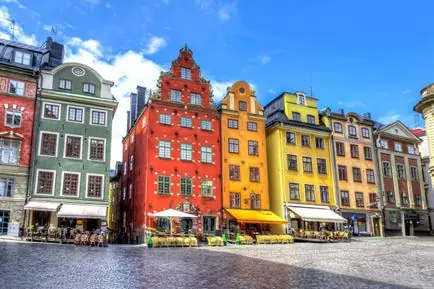
If you are seeing Scandinavia for the first time, the period from late spring to the end of summer is the most comfortable choice for most travellers: the days are very long, the fjord landscapes are green and you don't have to deal with winter conditions on the roads. Winter is a different experience for those who want snowy scenery and quiet cities, but daylight gets shorter and the pace of the trip has to be adjusted accordingly. Whichever season you choose, dressing in layers and bringing a raincoat is the golden rule in this region.
Scandinavia season by season
Spring: nature awakens, cities are quiet
Spring is when the weight of winter gradually lifts in Sweden, Norway and Denmark. Parks in the cities come alive and cafés start putting tables outside. In the fjord regions, snow can still be seen on higher ground, letting you see green valleys and white peaks in the same frame. Evenings are cool, so a light jacket is a must.
Summer: long days and the busiest season
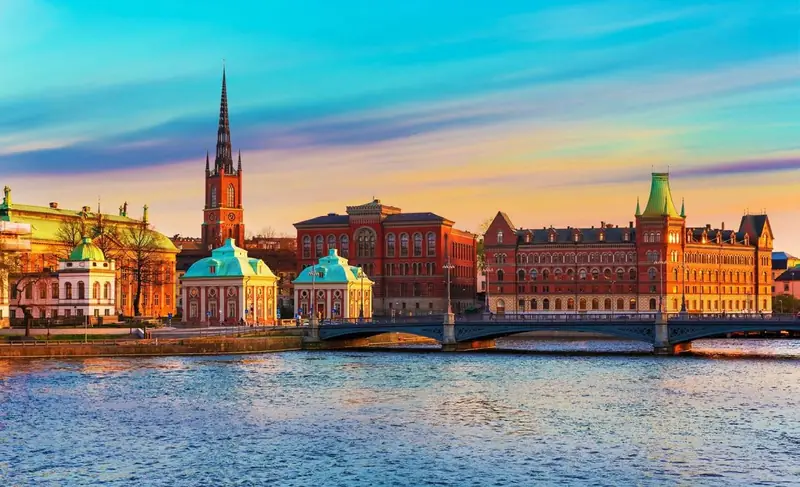
In summer the sun sets very late in the north, and it is still light in the evening. This makes your sightseeing days longer: after dinner you can walk along the canals of Copenhagen or through the old streets of Stockholm. In the fjords, the waterfalls roar, and boat trips and viewpoints are at their liveliest. On the other hand, this is the region's busiest time; be prepared to queue at popular spots.
In the far north, above the Arctic Circle, the "midnight sun", when the sun never sets, can be seen in midsummer. In the southern cities the sun does set, but the night never gets completely dark; you may want to help your sleep with an eye mask.
Autumn: colours and rain
From September, the forests turn yellow and red and the crowds thin out. This is a beautiful time for photography, but rain becomes more frequent; the west coast of Norway in particular is known as a rainy region. Waterproof shoes and a hooded raincoat are the two items you will find most useful in this season.
Winter: snow, lights and short days
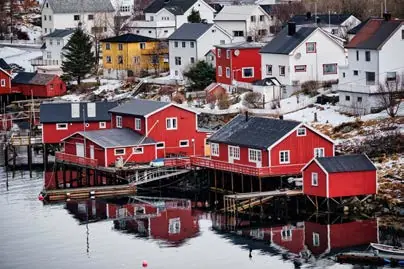
Winter is Scandinavia's most atmospheric but most challenging season. Daylight is short, and it gets dark early in the afternoon. In the cities, the festive lights and warm cafés bring out the cosy feeling the Danes call "hygge". On mountain roads and in the fjord regions, snow and ice can slow travel. The northern lights (aurora) are usually seen in the more remote parts of the north on dark, clear nights; on a typical capitals and fjords route, it is better not to expect them.
Which season suits whom?
- First-time visitors and families: Late spring and summer are comfortable thanks to the long days and more predictable road conditions.
- Photography enthusiasts: Autumn colours and the soft evening light of summer are each beautiful in their own way.
- Those avoiding the crowds: Early spring and autumn are the quieter periods.
- Those who want snow and city atmosphere: Winter, as long as you accept less daylight.
A packing list for any season
In Scandinavia the weather can change several times a day. So rather than one thick garment, it is smarter to dress in layers:
- Thin, breathable base layers or T-shirts
- A fleece or light wool mid-layer
- A windproof, waterproof hooded outer jacket
- Comfortable, waterproof walking shoes with non-slip soles
- A folding umbrella or a second raincoat
- A hat and thin gloves (even in summer, the wind can be cool on fjord boats)
- Sunglasses and sunscreen (needed on long summer days and for snow glare)
On a group tour, there are also days when you change cities rather than leaving the hotel in the morning and coming back in the evening. Keeping your suitcase organised so you can pack quickly every morning makes things easier. For this, have a look at our guide to packing for a group tour.
Reading the tour programme by season
The Scandinavia and Fjords Tour lasts 5 nights, 6 days and covers Sweden, Norway and Denmark. The catalogue lists flights with Pegasus Airlines, accommodation in 4-star hotels, breakfast and dinners, transport by luxury coach and professional guiding. The day-by-day itinerary is shared with the quote once the date is finalised, which means we can discuss together at that stage how your chosen season will shape the programme.
When choosing a season, it helps to ask yourself these questions: Do you want long walks and outdoor time, or are museums and city atmosphere the priority? Are there young children or older participants in your group? Which months do your calendar constraints, such as school holidays, fall in? These answers often make it clear which month suits you.
If you are curious about what you will see in the fjords, our Norwegian fjords guide is a good start, and for the capitals, our article on Stockholm and Copenhagen.
Frequently asked questions
What is the best month to go to Scandinavia?
There is no single right month. Late spring and summer suit those who want long daylight hours and easier road conditions, while early spring or autumn suit those who want a quieter trip. Winter offers snowy scenery, but the days are short.
Is it hot in Scandinavia in summer?
Summer days can be mild and pleasant, but in the evenings, on windy coasts and on fjord boats it quickly gets cool. Even on a summer trip, we recommend bringing a light jacket and a raincoat.
Can I see the northern lights on a Scandinavia tour?
The northern lights are usually seen in the more remote parts of the north, on dark, clear nights. On a route focused on the capitals and fjords, you should not expect them as part of the programme.
When should I apply for a visa?
Visa and passport requirements vary by person and date. Before you travel, check the current situation with the official sources of the countries concerned and the Turkish Ministry of Foreign Affairs; as processing times can be long, we recommend planning early.