
International · Egypt
When to Go to Egypt: A Seasonal Guide to Cairo and Luxor
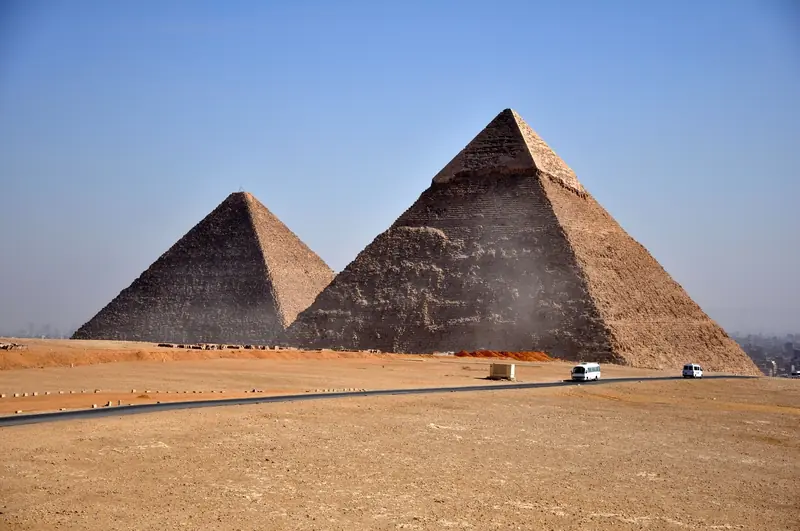
The most comfortable time to visit Cairo and Luxor is usually the cooler months from late October to April: days are sunny and mild, and you can walk for hours at outdoor sites. Between May and September, sites in the south, especially Luxor and the Valley of the Kings, get very hot; those travelling in these months squeeze their sightseeing into the early morning hours.
The season matters on a trip to Egypt because most of the sights are outdoors. There is little shade around the pyramids, in the courtyards of Karnak or in the Valley of the Kings. Below we have divided the year into periods and noted what to look out for in each.
Winter (December to February): high season
This is when Egypt receives the most visitors. The weather is good for sightseeing: sunny during the day and noticeably cool in the mornings and at night. In Cairo you may need a jacket in the evening, and at sites on the edge of the desert you may feel cold in the early morning.
- Pros: You can sightsee outdoors all day; even walking on Luxor's West Bank is not tiring.
- Cons: Popular sites get crowded, especially around New Year and during school holiday weeks. Planning early is important, as hotel and domestic flight options can fill up quickly.
Spring (March to April): warming days
March is a well-balanced month between the cool of winter and the heat of summer. In April the temperature rises noticeably, especially in Luxor. At this time of year, hot, dusty winds from the desert can occur now and then; known in the region as the khamsin, these winds can make the air hazy and affect the sightseeing programme for a while. Sunglasses and a light scarf come in handy.
Summer (May to September): hot and dry
Summer in Egypt is dry and hot. Even in Cairo the midday hours are tiring, and in Luxor temperatures climb very high. If you go in summer:
- Schedule outdoor sites for the first hours of the morning; spend the midday heat at the hotel or in a museum.
- A hat, sunglasses, sunscreen and plenty of water are essential.
- At sites such as the Valley of the Kings, the tombs are cooler inside than outside but can feel stuffy; take your time and stop for breaks.
- Crowds are smaller than in the winter months, which lets you see some sites more comfortably.
Autumn (October to November): the second good season
Temperatures start to drop in October, and by November sightseeing conditions are close to those of winter. It is a very good time for those who want to go before the winter crowds, and is popular with company groups and culture-focused travellers in particular.
The difference between Cairo and Luxor
Although they are in the same country, the two cities do not share the same climate. Luxor, in the south and surrounded by desert, is generally hotter and drier than Cairo. In winter, while you are having a cool morning in Cairo, you can comfortably walk around Luxor in a T-shirt during the day. That is why packing in layers is important.
Egypt during Ramadan
The dates of Ramadan change every year. During this month the tourist sites stay open, but opening hours at some places may change and the daytime pace generally slows down. After iftar, the streets, especially around Khan el-Khalili, come alive. Being discreet about eating and drinking in public during the day is a respectful approach.
Timing advice for groups
- School groups: The mid-year break and the spring holiday weeks are good in terms of weather. You can find general information for school groups on our school trips page.
- Company groups: Late October, November and February to March are the months when both the weather and the crowds are well balanced.
- Families: With young children, we recommend avoiding the summer months and choosing winter or spring.
TatiliYakala's Egypt tour: Cairo and Luxor programme is 5 nights, 6 days and covers Giza, Saqqara, Islamic Cairo, Karnak, Luxor Temple and the Valley of the Kings. As this is a new programme not in the catalogue, we confirm the dates and details with you at the quote stage. For more on the stops in the programme, see our article on places to visit in Egypt.
For visa and entry requirements, check the current situation with Egypt's official sources and the Turkish Ministry of Foreign Affairs before you travel.
Timing during the day
Whatever season you go in, the first hours of the day are worth their weight in gold in Egypt. Going early in the morning to open sites such as the Giza plateau and Luxor's West Bank gives you both cooler air and a calmer visit. Spending the midday hours in museums, shady courtyards or at the hotel and heading out again in the late afternoon keeps up the pace of your trip, especially in the hot months. In the evening, walking along the Nile and wandering around the Khan el-Khalili bazaar are among the most enjoyable moments of the day. The light falling on the temple stones at sunset is also a beautiful time for photos.
Frequently asked questions
What is the best month to go to Egypt?
Late October to April is generally the most comfortable period. If you want to avoid the crowds, November or late February to early March are well-balanced options.
Can you go to Luxor in summer?
You can, but it is very hot. If you schedule sightseeing for the early morning and spend the midday hours resting, you can complete the programme in the summer months too.
Is Egypt cold in winter?
Days are generally mild and sunny. However, mornings and nights, especially in Cairo and on the edge of the desert, can be cooler than you expect; bring a jacket.
Does it rain in Egypt?
Cairo may see occasional rain in winter, while Luxor gets almost no rain at all. Your trip is shaped more by heat and wind than by rain.
Can you go to Egypt during the school holidays?
The mid-year break is a good time for Egypt in terms of weather. However, as these weeks are busy, flights and hotels need to be planned early.