International · Morocco
When to Go to Morocco? A Season Guide for the Coast, Mountains and Desert
The most balanced times to tour Morocco on a wide-ranging route are spring (March–May) and autumn (late September–November). In these months it is comfortable to walk around Marrakesh and Fez, the roads in the Atlas Mountains are usually open and the heat on the edge of the desert is bearable. Summer is very hot inland and on the edge of the desert, while winter is cold in the mountains, with occasional snow.
What makes choosing a season in Morocco tricky is that you pass through very different climates on the same trip: the mild weather of the Atlantic coast, the coolness of the Rif and Atlas mountains and the dry heat of the edge of the Sahara. If you are planning a big route, you need to look at the whole route, not the weather in a single city.
Morocco's climate zones
- Atlantic and Mediterranean coast (Casablanca, Tangier, Tetouan): Milder all year round thanks to the ocean; summers are cooler than inland, winters are mild and rain is more frequent in winter.
- Inland and the imperial cities (Marrakesh, Fez, Meknes): Summers are hot and dry, and winter nights can be cold.
- Mountains (the Rif and Atlas, around Chefchaouen): Cooler; in winter the high parts of the Atlas are covered in snow.
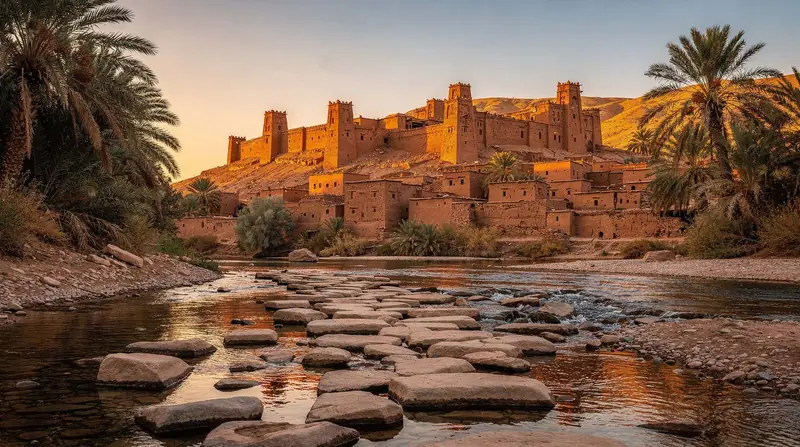
- South of the Atlas and the edge of the desert (Ouarzazate, Erfoud): There is a big temperature difference between day and night; summers are very hot and winter nights are cold.
Spring (March to May)
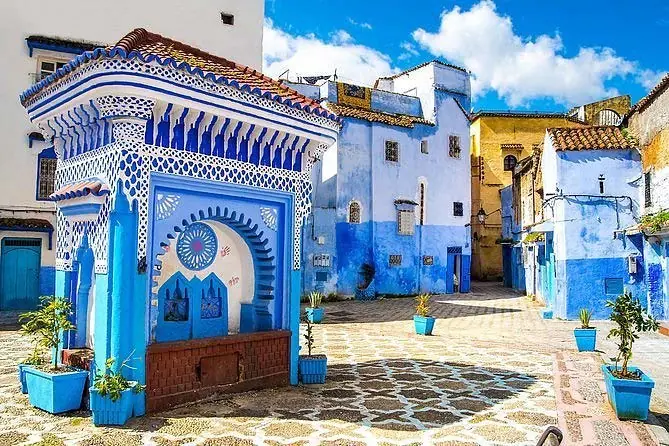
This is the time when conditions are most balanced along the whole route. There may be snow on the high peaks of the Atlas, but the roads are usually passable; green valleys in front of snow-capped mountains make a beautiful view typical of the season. The area around Chefchaouen turns green, and on the edge of the desert the days are warm but not exhausting.
Note: Tourist cities can get crowded during Easter and spring break.
Summer (June to August)
In Marrakesh, Fez and on the edge of the desert, midday is very hot; spending long periods outdoors in Ouarzazate and Erfoud is tiring. The coastal cities, on the other hand, stay relatively cool thanks to the ocean. If you are going in summer:
- Move your medina and souk visits to the early morning and evening.
- Try to time the Atlas road and the edge of the desert for the cooler hours of the day.
- In dry heat, dehydration creeps up unnoticed; drink plenty of water.
Autumn (late September–November)
This is the second lovely period, when the summer heat has passed and the winter cold has not yet arrived. It is particularly suitable for the edge of the desert. The date harvest also falls around this time. Towards the end of November it gets cooler in the mountains.
Winter (December to February)
In Marrakesh the days are usually sunny and pleasant, but mornings and evenings are cool. Fez and Meknes can be colder and wetter. The high passes of the Atlas Mountains may be snowy, and road conditions can change in bad weather. On the edge of the desert the days are mild, while the nights are much colder than you might expect.
Pros: Fewer crowds, beautiful light and impressive views of the snowy Atlas. Cons: On a wide-ranging route you will often need warm clothing; there may be weather-related disruptions on mountain roads.
Morocco during Ramadan
The dates of Ramadan change every year. During this month the pace slows during the day, and some restaurants may be closed in the daytime; after iftar, however, the cities come alive. Being discreet about eating and drinking in public during the day is a respectful thing to do.
What to pack
Whatever the season, dressing in layers is the smartest approach in Morocco:
- Light, breathable everyday clothes that cover the shoulders and knees
- A cardigan or light jacket for evenings and mountain roads (a thick coat in winter)
- Comfortable, closed shoes for the stony, uneven streets of the souks
- A hat, sunglasses and a large shawl or scarf against the sun and dust
- A modest outfit for areas around mosques and traditional districts
Dressing modestly in public in Morocco, especially in the medinas and small towns, makes getting around more comfortable.
Advice for groups
For school and corporate groups, spring and autumn are the most comfortable times in terms of both weather and road conditions. TatiliYakala's Grand Morocco tour covers Marrakesh, Casablanca, Fez, Meknes, Chefchaouen, Tetouan, Ouarzazate, Erfoud and Tangier over 7 nights, 8 days; the catalogue lists transport by luxury coach. The daily itinerary is shared at the quotation stage, and we finalise the timing and route details together with you.
To get to know the cities on the route, read our article Cities to visit in Morocco; for the food, see Moroccan food culture. For other programmes, have a look at our international tours page.
For visa and entry requirements, check the current situation with Morocco's official sources and the Turkish Ministry of Foreign Affairs before you travel.
Daylight and route planning
Because the days are shorter in winter, part of the long coach journeys may run into darkness; in summer, the long days allow a more flexible plan.
Frequently asked questions
What is the best month to go to Morocco?
For a wide-ranging route, March–May and October–November are generally the most balanced months. In these months, touring is comfortable both in the cities and on the edge of the desert.
Does it snow in Morocco in winter?
It snows in the high parts of the Atlas Mountains in winter. Snow is not expected in cities such as Marrakesh, but nights can be cold.
Can you go to Marrakesh in summer?
Yes, but midday is very hot. You need to move sightseeing to the morning and evening and spend the midday heat at the hotel or in the shade.
Are desert nights in Morocco cold?
Yes. On the edge of the desert there is a big temperature difference between day and night; especially in winter and the shoulder months, you will need warm clothing at night.
Can you go to Morocco during Ramadan?
Yes; tourist sites and hotels continue to operate. The pace slows during the day and some restaurants may be closed, but after iftar the cities come alive.