Domestic · Black Sea
When to Go to the Black Sea, and What to Pack
Most travellers choose June to September for the Black Sea, when the plateaus are green and the days are long. Even so, rain and mist are possible in the region in every season; so whichever month you go, pack a raincoat and layered clothing. In this guide you will find the seasons and a practical packing list for a 6-day Black Sea tour.
Why is the Black Sea climate different?
The Black Sea coast is the wettest region of Türkiye, because moist air from the sea hits the mountains right behind it. This is what makes the lush forests and tea gardens possible, but for travellers it means the weather can change even within a single day. On the coast the climate is mild and humid; the higher you go towards the plateaus, the cooler it gets.
Another feature is the length of the region. The weather can be very different between Samsun and Rize, or between the coast and the plateaus. As our tour stretches from Samsun to Batumi and from there to Sinop and Safranbolu, it is normal to meet different weather conditions on the same trip.
The Black Sea season by season
Spring
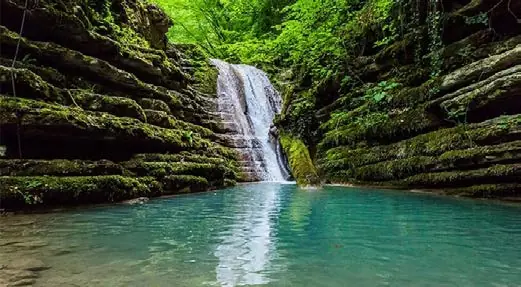
In April and May the valleys turn green and meltwater makes the streams and waterfalls surge. Snow may linger on the higher parts of the plateaus. Rain is frequent; it is mild on the coast and cool higher up.
Summer
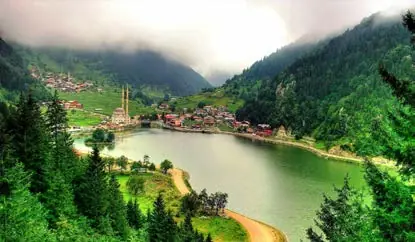
June, July and August are plateau season. Ayder, Uzungöl and the surrounding area are at their liveliest, and the plateau festivals take place during this period. On the coast it can be hot and humid. Bear in mind that this is also the busiest period.
Autumn
September and October are the months when the forests turn yellow and orange and the crowds thin out. It is a lovely time for photography. From late October rainfall increases and it gets noticeably cooler. This is also when the hamsi (Black Sea anchovy) season begins.
Winter
Winter on the coast is not very harsh, but it is wet and windy. The plateaus and Uzungöl are often covered in snow; the scenery is impressive, but the roads can become difficult. In winter, the Black Sea has a special appeal for anyone who wants hamsi on the table.
Is mist a problem?
On the plateaus, mist is an almost daily occurrence. It can cover the valley in moments and clear a few minutes later. Although mist hides the view, it is part of the Black Sea's distinctive atmosphere. If you meet mist at Uzungöl or Ayder, waiting a little is usually enough.
What to pack
A 6-day Black Sea tour combines coastal, plateau and city stops. Pack your suitcase accordingly.
Clothing
- A waterproof or quick-drying jacket or raincoat
- A light but warm mid-layer such as a fleece or cardigan
- T-shirts and long-sleeved tops for layering
- Comfortable trousers; jeans dry slowly when wet, so bring a spare pair
- Walking shoes with non-slip soles and a spare pair of shoes
- Spare socks; very handy on rainy days
- A hat, gloves and neck warmer in winter
Bags and accessories
- A folding umbrella
- A small backpack with a waterproof bag inside
- A rain cover for your phone and camera
- A power bank
Documents
- ID card
- The document needed to cross into Batumi. Whether an ID card or a passport is required is confirmed with up-to-date information at the quote stage; before you travel, check the current situation with official sources and the Turkish Ministry of Foreign Affairs.
Other
- A neck pillow for long coach journeys
- Personal medication
- Wet wipes and a small towel
Preparing for long journeys
Our tour starts with an overnight journey from Istanbul and follows a long route over 6 days. To be comfortable on the coach, dress in layers, keep water and snacks in your hand luggage and put basics such as a toothbrush for the first morning in your hand luggage too. Bearing in mind that you stay a total of 4 nights in hotels, don't overfill your suitcase.
Coast, plateau or city?
Different parts of the route call for different clothing. In Samsun, Ordu and Trabzon, comfortable clothes suitable for city sightseeing are enough. At Uzungöl and Ayder the air is cool and damp; a raincoat and fleece are the most useful items here. Batumi is a seaside city explored mainly on foot. In Sinop, Kastamonu and Safranbolu, comfortable shoes matter for the cobbled streets and castle walls. In short, set off not with a single outfit but with layers you can take off and put on during the day.
Extra notes for families with children
A spare set of clothes for the children is a lifesaver, especially on rainy days. Wet shoes may not dry overnight; be sure to bring a second pair. For long journeys, your child's favourite small games, books and snacks make the time pass faster on the coach. Keep a hat in the bag for the cool air at the plateau stops too.
When does our tour run?
Our Black Sea and Batumi tour lasts 5 nights, 6 days. Dates and accommodation details are finalised with your group at the quote stage. We describe the stops on the route one by one in our places to visit on the Black Sea tour article.
Frequently asked questions
Which month is best for the Black Sea?
June to September is the most popular period for plateau scenery. September and October are also lovely for autumn colours.
Does it rain on the Black Sea in summer?
Yes. The Black Sea can get rain in any season. Bring a raincoat even in summer.
Is it cold on the plateaus?
The plateaus are noticeably cooler than the coast. Even in summer, a light fleece or cardigan comes in handy.
Which shoes are best for a Black Sea tour?
Walking shoes with non-slip soles, waterproof if possible. We also recommend bringing a spare pair of shoes and socks.