Domestic · Black Sea
A History Route on the Black Sea: Samsun, Trabzon, Sinop and Kastamonu
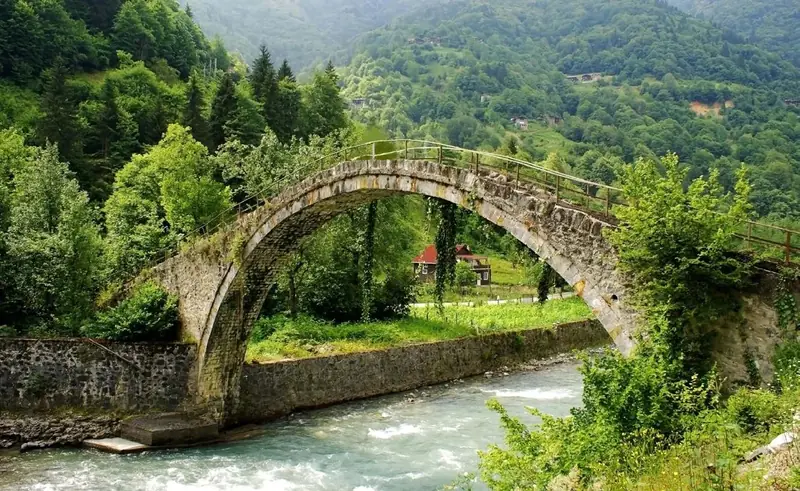
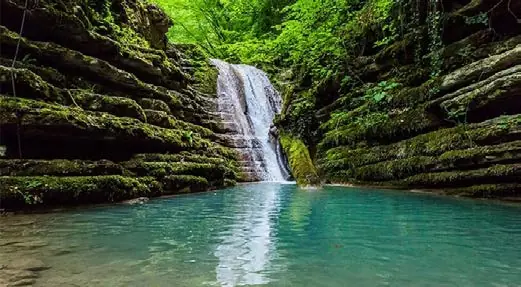
The Black Sea tour is usually chosen for its plateaus and green nature, but the route also passes through important stops in Turkish history. The start of the National Struggle in Samsun, the Byzantine era in Trabzon, the story of a prison in Sinop and the unnamed heroes of the War of Independence in Kastamonu are waiting for you. In this article we go through the history stops of our Black Sea tour in order.
Why look through history?
A long coach journey becomes far more meaningful when you know how the stops connect. On this journey from Samsun to Kastamonu, you see several key scenes from the founding story of the Republic on the spot. Trabzon and Sinop, in between, show much older layers of the region.
Samsun: 19 May 1919
Atatürk's landing in Samsun aboard the Bandırma steamship is regarded as the start of the National Struggle, and 19 May is celebrated every year as Commemoration of Atatürk, Youth and Sports Day.
Bandırma Steamship
The Bandırma steamship you visit in Samsun is a museum ship faithfully rebuilt to the original. Walking around the deck and cabins, you get a better sense of how difficult the conditions of that voyage were. The exhibition area around the ship also conveys the atmosphere of the period.
İlkadım Monument
The monument symbolising Atatürk's landing in Samsun is one of the most visited spots in the city. The name of Samsun's central district, İlkadım, also comes from this “first step”.
Trabzon: from Byzantium to the Republic
Hagia Sophia of Trabzon
Hagia Sophia in Trabzon was built during the time of the Empire of Trebizond. With the frescoes on its walls and its stone carvings, it is a window onto the region's medieval past. Its position on a small hill overlooking the sea gives you a sense of how important a place it once held in the life of the city.
Atatürk Mansion
Set on a wooded slope above the city, the mansion is associated with Atatürk's visits to Trabzon. Today it is visited as a museum; the furnishings and photographs in its rooms offer glimpses of life at the time. Its garden is also a pleasant place for a stroll.
Sinop: castle and prison
Sinop sits on a peninsula reaching out into the sea at Türkiye's northernmost point. This sheltered position has made the city an important port throughout history.
Sinop Castle and its walls
The walls surrounding the city carry Sinop's long history. Repaired and strengthened in different periods, the castle is today part of the city's waterfront view.
Sinop Historic Prison
With its thick stone walls, courtyard and cells, Sinop Historical Prison is visited today as a museum. Over the years, besides many prisoners, some writers and poets are known to have been held here. The poem “Aldırma Gönül”, said to have been written here by Sabahattin Ali, is one of the stories visitors mention most. The prison's gloomy corridors offer a powerful experience where literature and history meet.
Kastamonu: the home front of the War of Independence
During the War of Independence, Kastamonu lay on the supply route running from the port of İnebolu to Ankara. Ammunition and supplies were carried on ox carts and on people's backs along difficult mountain roads. The story of this road is one of the most important stories the city tells today.
Şerife Bacı Monument
Şerife Bacı was a Turkish woman who died in the cold while carrying ammunition to the front along this road. It is said that she covered the ammunition she was carrying rather than herself. The monument also represents the sacrifice of many women whose names are unknown in the War of Independence.
Nasrullah Mosque and square
Nasrullah Mosque and the square in front of it, in Kastamonu's historic centre, are the city's meeting point. Kastamonu is also known as the city where Atatürk announced the Hat Reform to the public in 1925; for this reason it is considered one of the key places in the history of the Republic.
Safranbolu: Ottoman townscape
The final stop on the route, Safranbolu, is one of the preserved examples of an Ottoman-era townscape and is on the UNESCO World Heritage List. The old neighbourhoods seen from Hıdırlık Hill, Cinci Han and the Yemeniciler Bazaar are in the programme. If you would like to get to know Safranbolu in detail, see our places to visit in Safranbolu article.
A short stop in Ordu
The Ordu stop between Samsun and Trabzon is more about views than history. From Boztepe above the city, you get a wide view of the coastline and the city. Amid the history route's packed storytelling, this stop is like a breather on the journey.
Making the journey richer
Doing a little reading on the coach before the stops greatly enriches the experience. Recalling the story of 19 May before Samsun, a few of Sabahattin Ali's poems before Sinop and the Independence Road (İstiklal Yolu) before Kastamonu puts what you see into context.
Who will enjoy this route?
- Adult groups interested in history and literature
- Families who enjoy cultural tours
- Anyone who wants to combine nature and history on the same trip
Our programme is designed for culture, nature and family groups. If you would like to shift the emphasis to suit your group's interests, we can discuss it together at the quote stage.
Frequently asked questions
Is the Bandırma steamship the real ship?
The ship you visit in Samsun is a faithful reconstruction of the Bandırma steamship and is visited as a museum ship.
Can you visit Sinop Historical Prison?
Yes, it is open to visitors today as a museum. It is visited together with Sinop Castle on day five of our tour.
Who was Şerife Bacı?
She was a Turkish woman who died in the cold while carrying ammunition from İnebolu to the front during the War of Independence. The monument in Kastamonu bears her name.
Which museums are on the Black Sea tour?
The programme includes the Bandırma steamship, the Atatürk Mansion and Hagia Sophia in Trabzon, and Sinop Historical Prison.