
Skiing and winter · Uludağ
When to Visit Uludağ: Snow, Nature and Crowds, Season by Season
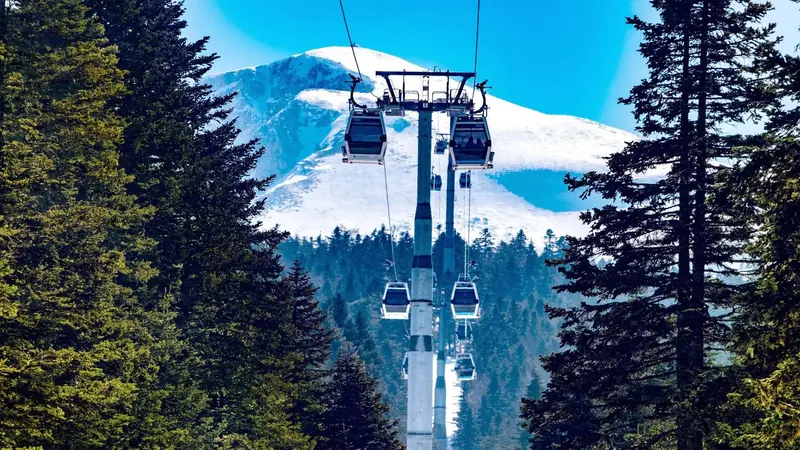
The best time to visit Uludağ for skiing and snow is generally the winter period from late December to March; the weeks with the most settled snow cover are usually in January and February. In summer, the mountain is a completely different place for those looking for walks, picnics and cool air. Snow conditions at the start and end of the season vary from year to year, so being flexible with your dates makes things easier.
Winter: ski season
Uludağ is one of Türkiye's best-known ski resorts, and in winter the hotel area fills with skiers. The opening of the season depends on snowfall; some years it starts in early December, other years later.
December
These are the first weeks of the season. If there's enough snow the pistes open, but because the snow cover is thin, the same can't be said every year. Towards the end of the month, things get busier on the mountain with the New Year period. For plans over New Year, see our New Year holidays page.
January and February
The snow cover is usually at its deepest in these two months, and conditions for skiing are most often at their most reliable. The mid-year school break also falls in these months, so families and student groups crowd the mountain. Weekdays are quieter than weekends.
March
The days get longer and the weather milder. Although snow lasts on the higher slopes, it can soften and get heavy around midday. When the season closes depends on that year's snow. It can be a lovely time if you're looking for less crowded, sunny ski days, but you have to accept the risk regarding snow.
Spring: a time of transition
In April and May, the snow melts on the lower parts of the mountain while snow may remain near the summit. This period isn't suitable for skiing, but with the melting snow the streams swell and the forest turns green. As it's a transition period for roads and facilities, check accommodation and transport in advance if you're thinking of going in these months.
Summer: cool air and nature
In summer, while Bursa is hot, Uludağ's high pastures stay cool. This season is ideal for walking, picnics, camping and views. The glacial lakes high on the mountain, the pine and fir forests and the green meadows are very different from the white landscape of winter. We've gathered our summer tips in our guide to summer and nature on Uludağ.
Remember that evenings can be cool; take a jacket even in summer.
Autumn: colours and quiet
In September and October the mountain is quiet. The changing colours of the forests make for beautiful photos. From November the weather turns harsher and the first snow may fall on the higher slopes. This is a good time for a day in nature away from the crowds.
Avoiding the crowds
- Choose weekdays if you can.
- The mid-year school break and New Year weeks are the busiest periods; plan early for these dates.
- The pistes are quieter early in the morning; on the day trip, however, you arrive around midday.
Weather conditions when planning a tour
Access to Uludağ depends on road and snow conditions. In heavy snowfall, snow chains may be needed on the roads or temporary restrictions may apply. On TatiliYakala's Uludağ tour, conditions are monitored as the date approaches; if necessary, a date change or an alternative programme is planned together with the group.
If you're planning a winter trip for a school group, you need to consider the exam timetable, the mid-year break and the snow season together. Have a look at our Uludağ school trip guide on this.
Which season suits whom?
- If you want to ski: January and February, the most reliable period for snow.
- Children and families seeing snow for the first time: weekdays in January and February, when the snow cover has settled.
- Nature walks and picnics: June to September.
- Peace and photography: the autumn months.
For other winter options, see our ski holidays page.
Take the length of the winter day into account
Daylight is short in winter. In January it gets dark early, and on the mountain the temperature drops quickly in the late afternoon. On a day trip, this means your time on Uludağ is limited to the afternoon. In March, as the days get longer, you spend more daylight hours on the mountain on the same programme. A programme with an overnight stay is a practical way to get more ski time on short winter days.
Think of it together with Bursa
Whatever the season you visit Uludağ, the city of Bursa is on your way. In winter its historic bazaars and mosques offer a warm break; in spring and autumn, nearby villages such as Cumalıkızık and Gölyazı are more enjoyable to explore. In summer, when the city gets stifling, heading up the mountain is an easy way to cool off. For historic stops in Bursa, see our guide to Bursa's historic sites.
Frequently asked questions
When does it snow on Uludağ?
Snowfall varies from year to year. It usually starts on the higher slopes in late November or December; lasting snow cover mostly forms between late December and January.
When does the Uludağ ski season open and close?
The season depends on the snow. The general trend is for it to run from late December to late March, but the exact dates differ each year.
Can you visit Uludağ in summer?
Yes. With its cool air, forests and high pastures, it's a great place in summer for walking, picnics and nature trips.
When is Uludağ busiest?
The mid-year school break, New Year and winter weekends are the busiest periods. For a quieter day, choose a weekday.