
International · Bukhara
Bukhara Travel Guide: A Silk Road City to Explore on Foot
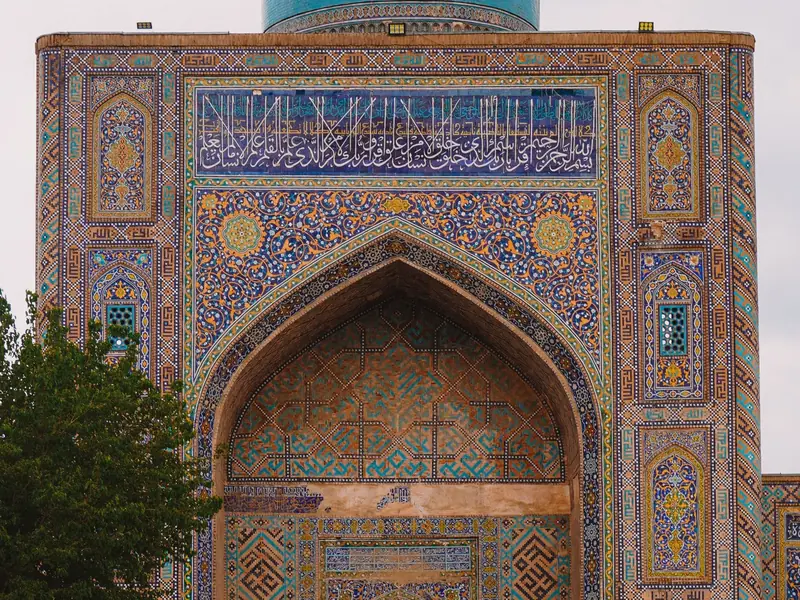
Bukhara's historic centre is made up of monuments within walking distance of each other and can comfortably be seen in two days. Spending the first day on the Ismail Samani Mausoleum, the Ark Fortress, the Kalyan Minaret and the Mir-i-Arab Madrasa, with the evening around Lyab-i Hauz, and the second day on the domed bazaars (taqs) and wandering freely is enough to catch the city's rhythm. Where Samarkand has grand squares, Bukhara, with its narrow streets and quiet courtyards, gives a more complete old-city feel.
For centuries Bukhara was one of the Silk Road's major centres of trade and learning. The city flourished under the Samanids and, in later periods too, remained one of Central Asia's religious and cultural centres with its madrasas and caravanserais. Its historic centre is on the UNESCO World Heritage List.
Day one: the monuments
Ismail Samani Mausoleum
One of Bukhara's oldest buildings, it belongs to the Samanid dynasty. It is built entirely of fired brick; the patterns created by laying the bricks at different angles cast shadows that change through the day with the angle of the sun. Despite its small size, it is considered one of the early masterpieces of Islamic architecture. Set in a park, it gives you a calm start to the day.
Ark Fortress
This huge fortress rising in the middle of the city was for centuries the seat of Bukhara's rulers. Its thick, sloping walls and ramped entrance are impressive even from a distance. Inside, there are museum sections today. The square in front of the fortress is remembered as the place where important events in the city's history took place.
Kalyan Minaret and Mir-i-Arab Madrasa
The Kalyan Minaret (part of the Po-i-Kalyan ensemble) is a tall minaret built in the Karakhanid period, its shaft decorated with bands of different brick patterns. Legend has it that Genghis Khan spared this minaret while destroying many of the city's buildings. On one side of the minaret stands the Kalyan Mosque, and opposite it the Mir-i-Arab Madrasa with its turquoise domes. The square formed by these three buildings is Bukhara's most photographed view; at sunset in particular, the bricks turn golden.
Evening: Lyab-i Hauz
Lyab-i Hauz is a square with a pool in the heart of the old city; its name means 'by the pool'. It is surrounded by historic buildings such as the Nadir Divan-Begi Madrasa, tea gardens and restaurants. The square also has a statue of Nasreddin Hodja riding his donkey, a pleasant surprise for visitors from Türkiye. It is one of Bukhara's most enjoyable spots for dinner and tea.
Day two: bazaars and streets
Taqs (domed bazaars)
The domed bazaars built where Bukhara's old trade routes crossed are called taqs. Each was once devoted to a particular trade, such as money changers or hatmakers. Today they house shops selling carpets, silk fabrics, embroidered textiles called suzani, knives, copperware and ceramics. There is cool shade under the domes, so wandering around is pleasant even on hot days.
Shopping tips:
- Bargaining is expected; do it with a smile and without hurrying.
- If you would like to see the workshop behind handmade items, many craftspeople are happy to show you their work.
- For big purchases such as carpets and silk, don't hesitate to ask about the origin and materials of the item.
Wandering freely
Bukhara's real beauty reveals itself in the back streets away from the main monuments: mud-brick houses, carved wooden doors, small neighbourhood mosques and courtyards. Walking without looking at the map too much is the best way to see the city's daily rhythm. The historic centre is small, so you don't need to worry about getting lost.
Practical information
- Shoes: Comfortable shoes are a must for the stone- and brick-paved streets.
- Clothing: At religious buildings such as mosques and madrasas, wear clothes that cover your shoulders and knees; women should carry a headscarf.
- Heat: In summer the middle of the day is very hot; schedule the open-air monuments for the morning and evening. For the seasons, see our article when to go to Uzbekistan.
How to get to Bukhara
Trains run between Samarkand and Bukhara; the journey takes about 1.5 to 2 hours. In TatiliYakala's Uzbekistan tour: Tashkent, Samarkand and Bukhara programme, you travel to Bukhara by train on the evening of the third day. On the fourth day you visit the Ismail Samani Mausoleum, the Kalyan Minaret and Mir-i-Arab Madrasa, the Ark Fortress and, in the evening, the area around Lyab-i Hauz. On the fifth day there are the covered bazaars and free time in the morning, and a return to Tashkent by train in the afternoon. We work out the details of this new programme, which is not in the catalogue, together with you at the quote stage.
For the previous stop on the route, take a look at our article places to visit in Samarkand.
For visa and entry requirements, check the current situation with Uzbekistan's official sources and the Republic of Türkiye Ministry of Foreign Affairs before you travel.
Frequently asked questions
How many days should you stay in Bukhara?
Two days are enough to see the historic centre comfortably. Those who also want to see the palaces and mausoleums outside the city can add another day.
Bukhara or Samarkand?
They complement each other. Samarkand stands out for its monumental squares and brilliant tilework, Bukhara for its complete old city that you explore on foot. If you can, see both.
What to buy in Bukhara?
Suzani embroidery, silk fabrics, handmade knives, copperware, ceramics and carpets are the most popular souvenirs. The domed bazaars (taqs) are the first place to look for them.
Can you explore Bukhara on foot?
Yes. Most of the monuments in the historic centre are within walking distance of each other. Comfortable shoes and, in the hot months, choosing the right time of day are all you need.
What is there to do in Bukhara in the evening?
Spending time in the tea gardens and restaurants around Lyab-i Hauz and taking a short walk to see the illuminated monuments are the most enjoyable ways to spend the evening.