
International · Uzbekistan
Uzbek Cuisine Guide: Plov, Somsa, Lagman and the Tea Table
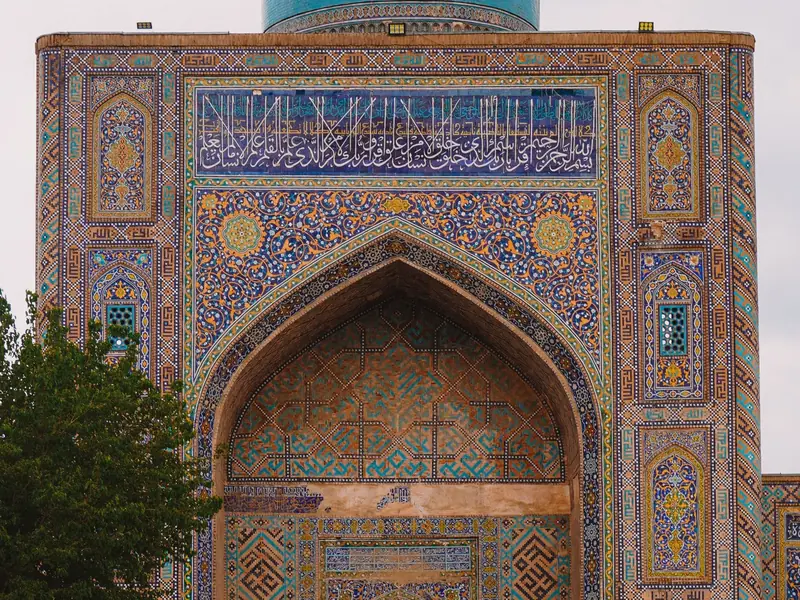
At the heart of Uzbek cuisine is plov (pilaf): cooked in big cauldrons with carrots, onions and meat, it is the symbol of hospitality and celebrations. Alongside plov come oven-baked somsa, lagman soup with its hand-pulled noodles, shashlik grilled over charcoal and the round non bread that is broken with respect at every meal. Meals are usually eaten with strong green tea; visitors from Türkiye find many familiar flavours on the table.
In Uzbekistan, food is at the heart of social life. When you are a guest in a family home, you immediately notice how generously the table is laid, how tea is served and the respect shown to bread. Below we describe the dishes you will meet at the table and the dining traditions.
Main dishes
Plov
It is the undisputed star of Uzbek cuisine. It is cooked with rice, yellow and red carrots, onions and lamb or beef in large cast-iron cauldrons (kazan). The recipe varies from region to region and even from family to family: some add chickpeas and raisins, others bury whole heads of garlic in the middle of the rice. It is traditionally eaten at lunch; in some places, special plov restaurants close in the afternoon once their cauldrons are empty.
Tasting tip: You can try the busy plov centres in Tashkent and local recipes in Samarkand and Bukhara. Seeing how the same dish differs from city to city is an enjoyable part of the trip.
Somsa
A triangular or half-moon-shaped pastry filled with minced meat, onion and suet and baked in a tandoor. Reminiscent of samsa or çiğ börek in Türkiye, it is a snack eaten piping hot on the street. There are also pumpkin and potato versions.
Lagman
Long noodles stretched thin by hand, served with a meat and vegetable sauce or as a soup. It is one of the shared dishes of Uyghur and Central Asian cuisine.
Shashlik
Skewered meat grilled over charcoal is a must at Uzbek tables and roadside restaurants. It is usually served with finely sliced raw onion and vinegar.
Manti and more
Uzbek manti are larger than those in Türkiye and steamed; they are filled with minced meat and plenty of onion. Dimlama (meat and vegetables cooked in their own juices) and shurpa (meat and vegetable soup) are also dishes you will often find on the table.
Non: the bread considered sacred
Uzbek bread, non, is round, patterned in the middle with raised edges, and baked in a tandoor. Every city has its own non; Samarkand non is especially famous and known for staying fresh for a long time.
Respect for bread is an important part of Uzbek culture:
- Non is not cut with a knife but broken by hand.
- It is not turned upside down, put on the ground or wasted.
- At the table, the host or the eldest usually breaks the bread and hands it out.
The tea table and hospitality
In Uzbekistan tea is drunk at all hours of the day. Green tea is the common choice; in some regions black tea is also widespread. Tea is served in small bowls without handles (piyala).
A few traditions worth knowing:
- The bowl is filled only a little: When the host fills your bowl only a little, it is a sign of respect and attention; they will come back often to top it up. Filling the bowl to the brim can mean something different.
- The tea is refreshed: Sometimes the tea is poured from the pot into a bowl and back again several times to help it brew.
- The table is always set: Dried fruit, nuts, sweets and desserts arrive at the table before the main course. Remember to leave room for the main dish.
- Right hand on the chest: Placing your right hand on your chest when greeting someone is a common sign of respect.
Flavours of the markets
The Siab Bazaar in Samarkand and the other markets in the cities are full of dried apricots, raisins, almonds, walnuts, melons and seasonal fruit. Vendors usually offer samples to taste. Uzbek melons are very sweet and famous in summer and autumn. Dried fruit and nuts are the most practical gifts to take home.
What is familiar and what is different for Turkish tastes
What will feel familiar: Pilaf, manti, kebabs on skewers, the bread culture, dried fruit and the tea table.
What you may find different: Tail fat and suet are widely used in cooking, so dishes can be more filling and heavy. If you want something light, you can start with salads, vegetable dishes and soups.
During the tour
TatiliYakala's Uzbekistan tour: Tashkent, Samarkand and Bukhara programme lasts 5 nights, 6 days and includes stops well suited to tasting local flavours, such as the Siab Bazaar, the covered bazaars of Bukhara and the area around Lyab-i Hauz. We confirm the programme details, including meal arrangements, with you at the quote stage.
To get to know the cities, take a look at our articles on places to visit in Samarkand and the Bukhara travel guide.
Frequently asked questions
What is Uzbekistan's national dish?
Plov is considered Uzbekistan's national dish. It is cooked in large cauldrons with carrots, onions, meat and rice, and prepared with different recipes from region to region.
Is Uzbek food spicy?
Generally it is not spicy; the flavour comes mainly from meat, fat, onions and spices such as cumin. If you like it hot, you can ask for chilli sauce or peppers at the table.
Can you find vegetarian food in Uzbekistan?
You can, but the options may be limited, as many dishes use meat or meat stock. Salads, vegetable dishes, pumpkin somsa, bread and dairy products are good choices; it is worth asking before you order.
How is tea drunk in Uzbekistan?
The tea is usually green and served in small bowls without handles. The host fills the bowl only a little and tops it up often; this is a sign of attention shown to the guest.
What desserts are eaten in Uzbekistan?
Dried fruit, various kinds of halva, honey, sweets and seasonal fruit are common at the table. Small sweets and nuts are usually offered with tea.