
International · Delphi
Delphi Ancient City Guide: What to See in the City of the Oracle
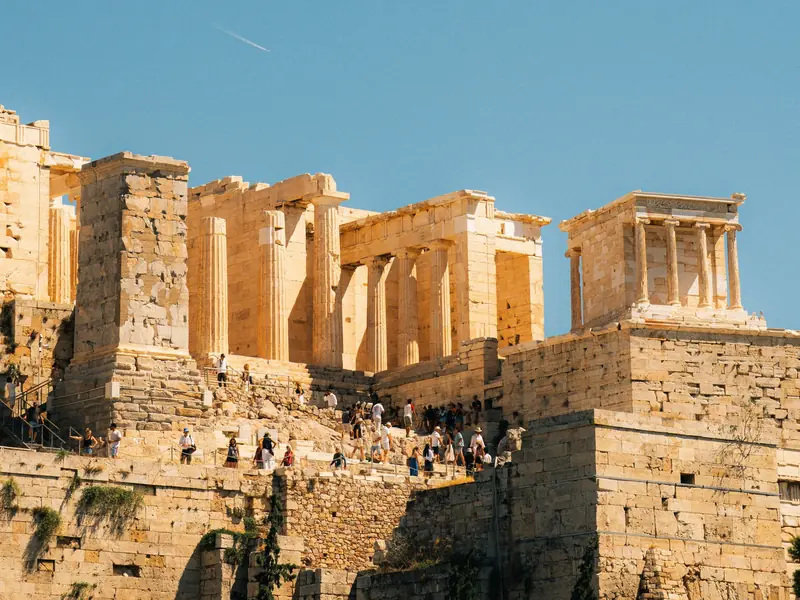
Delphi was the most important oracle centre of the ancient Greek world: people and city-states came here to consult Pythia, the priestess of Apollo. Today you can see the sanctuary of Apollo on the slopes of Mount Parnassus and the Delphi Archaeological Museum right next to it on a day trip from Athens. Although the journey takes a few hours, the mountain views and the atmosphere of the site make it worthwhile.
Why was Delphi so important?
According to ancient Greek belief, Zeus released two eagles from the two ends of the world to find its centre, and the eagles met at Delphi. Delphi was therefore considered the "navel of the world"; the stone that symbolises this is called the "omphalos".
In the sanctuary dedicated to Apollo, prophecies were given here through the priestess known as Pythia. It was a widespread tradition to consult Delphi before going to war, founding a colony or taking an important decision. The answers are said to have often been ambiguous. The saying "Know thyself", reportedly inscribed at the entrance to the temple, is still widely quoted today.
Delphi also hosted the Pythian Games, held every four years. Alongside athletic contests, these games included music and poetry competitions. Ancient Delphi is on the UNESCO World Heritage List.
The order of the visit at the site
As the sanctuary was built on the mountainside, the visit goes uphill. From bottom to top, you will see these structures:
The Sacred Way and the treasuries
The Sacred Way winding up from the entrance was lined with small treasuries where city-states kept the offerings they presented to Apollo. Of these, the Treasury of the Athenians has been rebuilt and is the most photographed structure on the way.
The Temple of Apollo
Of the temple at the centre of the sanctuary, the foundations and a few columns still stand today. This is where the prophecies were given. The remains may look modest, but when you stand in front of the temple and look out over the valley, you can feel why this place was considered sacred.
The theatre and the stadium
The ancient theatre above the temple offers an impressive view, with its rows of seats looking out over the valley. The stadium, even higher up, is where the running races of the Pythian Games were held. The climb to the stadium is a steep path; decide according to your fitness.
Athena Pronaia and the Tholos
The round Tholos in the sanctuary of Athena Pronaia, a little below the main sanctuary, with its elegant structure and a few columns still standing, is one of Delphi's best-known images. You can ask your guide on the day whether this area is included in the programme.
Delphi Archaeological Museum
The museum displays finds from the site and is an essential part of the visit. Its most famous piece is the bronze Charioteer of Delphi; the detail in its eyes and the folds of its robe are worth a close look. The museum also has the omphalos stone and reliefs from the buildings of the sanctuary. Seeing the museum before or after the site helps you picture the ruins in your mind.
Visiting tips
- Shoes: The site is stony and sloping. Comfortable, non-slip shoes are a must.
- Weather: As Delphi is on a mountainside, it can be cooler and windier than Athens; in summer the sun is still strong. Depending on the season, a light cardigan and a hat are both useful.
- Water and snacks: Shade is limited at the site, so carry water with you.
- Preparation: Especially for students, a little reading about Apollo, Pythia and the omphalos before you go makes the guide's commentary far more meaningful.
How Delphi fits into the tour
The Athens and Delphi Tour is a 3 nights, 4 days programme with hotel accommodation. On the second day there is a day trip from Athens to Delphi: the road is about 180 km and takes between 2.5 and 3 hours. You visit the sanctuary of Apollo and the Delphi Archaeological Museum and return to Athens in the evening. This tour is a new programme not in the catalogue.
For the places you see on the Athens days of the tour, see our article Things to see in Athens, and to see how the four days are balanced, see our 4-day Athens and Delphi itinerary.
How to explain Delphi to students
One of the fascinating things about Delphi is the landscape around the sanctuary. The valley covered in olive trees stretches towards the sea, and seen from the height of the site this green carpet looks endless. The view from the site helps you understand why people considered this place sacred.
Delphi is a lovely way for school groups to connect abstract historical knowledge to a real place. Before the trip, you could ask one student to research Pythia, another the omphalos legend and another the Pythian Games. At the site, each student briefly presents their topic at the relevant spot, so the visit becomes more than passive listening. A short class discussion on the saying "Know thyself" also links the trip to philosophy lessons. In the museum, asking students to observe and note the details of the Charioteer of Delphi keeps their attention alive. For general planning of a school trip, see our article on planning a school trip abroad.
Frequently asked questions
How far is Delphi from Athens?
According to the tour programme, Athens and Delphi are about 180 km apart and the journey takes 2.5 to 3 hours. That is why Delphi is usually planned as a day trip.
Who was the Oracle of Delphi?
The prophecies at Delphi were given in Apollo's name by the priestess known as Pythia. As her answers were often open to interpretation, the prophecies are said to have been interpreted by the priests.
How much walking is there at Delphi?
The site is on a mountainside and goes uphill. The section up to the Temple of Apollo and the theatre is comfortable for most people; the climb to the stadium is steeper.
What is the most important piece in the Delphi Archaeological Museum?
The museum's best-known piece is the bronze Charioteer of Delphi. The omphalos stone and reliefs from the buildings of the sanctuary are also among the highlights.