Türkiye · Ephesus
Ephesus, Pamukkale and Salda School Trip: A Preparation Guide for Teachers
A school trip covering Ephesus, Pamukkale and Salda Lake takes history, geography and biology lessons into the field in a single programme. For high school groups, the most rewarding approach is to give students a short research task before the trip, ask observation questions on site and consolidate what they have learned with a short presentation afterwards. TatiliYakala's 2 nights, 3 days Salda, Pamukkale, Ephesus, Kuşadası and Şirince programme is recommended in the catalogue for high school groups as an intensive but rewarding field programme for ancient history and geography.
Why is this route good for a school trip?
What makes this route valuable is that it brings very different areas of learning together in one journey:
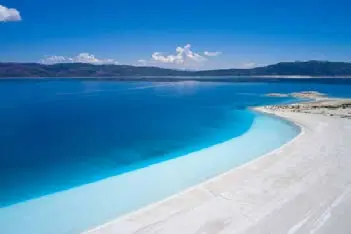
- Salda Lake: Earth science and living things, through the lake ecosystem, the white mineral shore and the stromatolites.
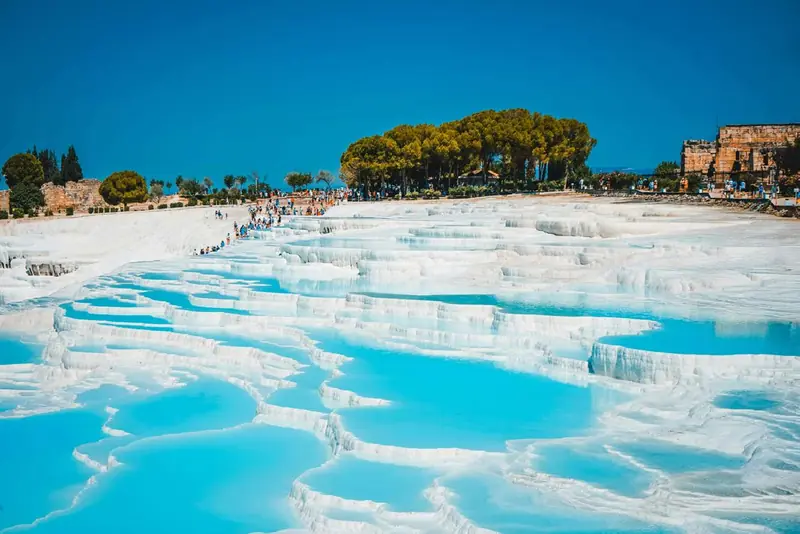
- Pamukkale: Thermal water depositing lime to form travertines: a hands-on geology lesson.
- Hierapolis: Roman urban life, belief and burial traditions in a city of healing.
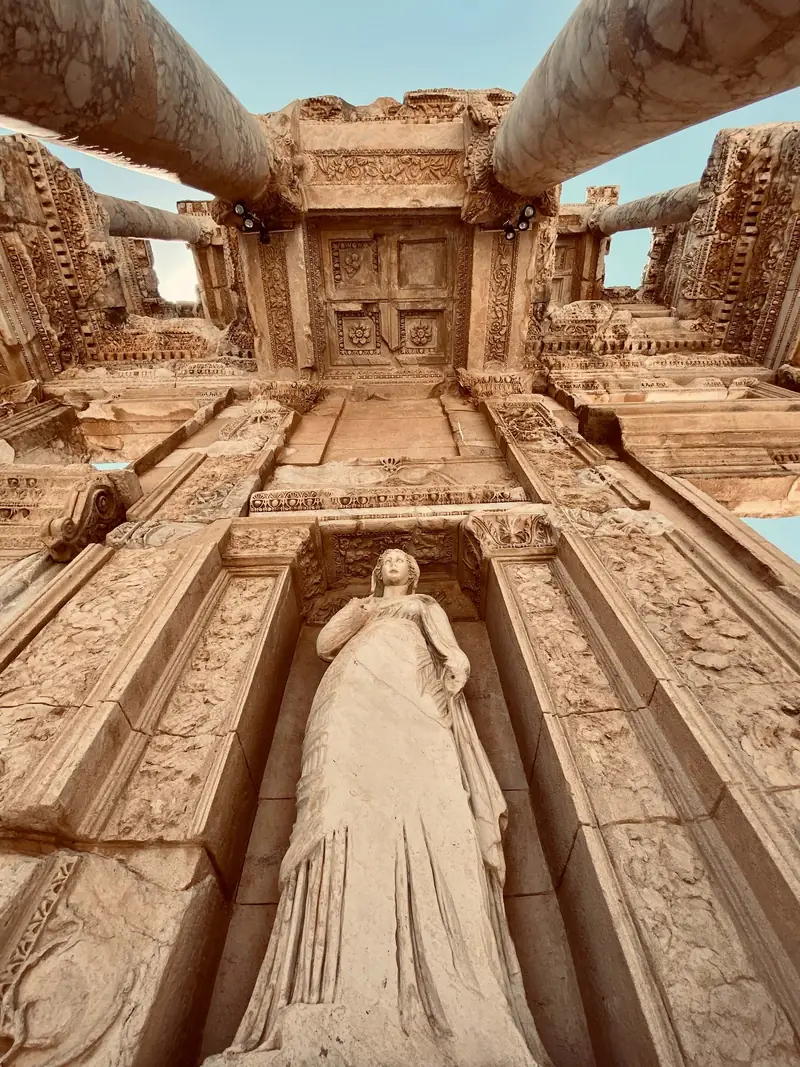
- Ephesus: The rise of an ancient port city, Roman architecture and how the coastline changed over time.
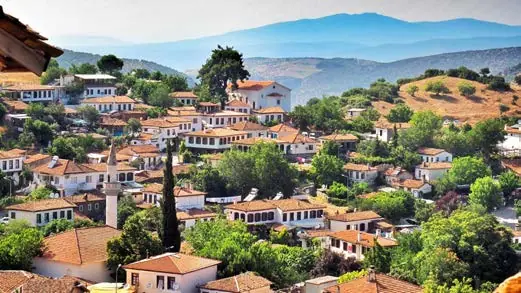
- Around Selçuk: With the Temple of Artemis, the Basilica of St John and İsa Bey Mosque, different eras and faiths layered in the same landscape.
Links to lessons
History
At Ephesus you can show students how an ancient city worked: the administrative centre, trading areas, library, theatre and houses. The Library of Celsus is a powerful example of the value placed on knowledge, and the Great Theatre of social life. İsa Bey Mosque makes the transition to the Beylik period tangible.
Geography
The Pamukkale travertines are a live stage for chemical deposition and karst formations. At Ephesus, the silting up of the harbour and the sea's retreat from the city illustrate the relationship between coastal processes and human settlement. Salda Lake opens up discussion of how lakes form and of protected areas.
Biology and the environment
The stromatolites at Salda are a fascinating starting point for talking about the early traces of life on Earth. The lake's protected status and visitor rules can also be discussed in terms of environmental awareness.
Preparing before the trip
With students
- Research task: Give each student or small group a stop (such as the Library of Celsus, the Plutonion, the travertines or Salda's white shore). On site, the student gives their classmates a two-minute talk.
- Observation sheet: Prepare two or three simple questions for each stop. For example: "Why are the travertines white?", "Where would the sea have been at Ephesus?"
- Map work: Mark the route together on a map of Türkiye and talk about which provinces you pass through on the way.
- Rules of behaviour: Explain rules in advance, such as not climbing on the stones at the ancient sites, staying on the marked paths on the travertines and not taking sand or stones from Salda.
With parents and the school management
- Complete the trip permission procedures according to the current regulations of your school and the directorate of national education it reports to.
- Share the programme, accommodation details and the communication channel with parents in advance.
- Collect information on students' health conditions, allergies and any medication they take regularly.
How the programme runs
According to the catalogue programme, the first day begins with meeting up and setting off for Salda Lake. On the second day there is a guided commentary at Salda Lake, followed by the Pamukkale travertines and, at Hierapolis, the theatre, baths, gymnasium, Temple of Apollo, Plutonion and necropolis; after a textile shopping stop you check in at the hotel in Kuşadası, with dinner and the overnight stay at the hotel. On the third day, after breakfast, the programme is completed with the House of the Virgin Mary, the ancient city of Ephesus, the Temple of Artemis (panoramic view), İsa Bey Mosque, the Basilica of St John, a tile workshop and a walk in Şirince, before returning to Istanbul.
For details of the programme and the services included, see the tour page. We finalise the programme together at the quote stage according to your school's needs; you can find our other school programmes on our school trips page.
Student packing list
- Comfortable, non-slip walking shoes
- Easy-to-remove shoes for the travertines and a small cloth bag
- A hat, sunglasses and sun cream
- Water bottle
- A light cardigan or raincoat suited to the season
- A notebook, pen and observation sheet
- Personal medication
- ID document
For a more detailed list by season, see the article What to wear and pack for an Aegean tour.
Safety and order on site
- Divide students into small groups and assign a teacher to each group.
- At every stop, state the meeting point and time clearly.
- On hot days, make water breaks more frequent.
- Ban running on the travertines because of the risk of slipping.
After you get back
The learning impact of the trip multiplies with a little work after you return to school. You could ask students to choose one of the photos they took on the trip, write a short caption and then turn them into an exhibition on the class noticeboard. Groups can turn the stops they presented on site into a presentation for younger classes. Recreating the formation of travertines with a simple experiment in geography, or drawing the city plan of Ephesus in history, are also easy ways to link the trip to lessons. Activities like these also show parents the educational value of the trip in concrete terms.
Frequently asked questions
Which year groups is the Ephesus and Pamukkale trip suitable for?
In the catalogue, this programme is recommended for high school groups. As it is directly linked to topics in ancient history and geography, it is especially rewarding for classes studying these subjects.
Can students walk on the travertines on a school trip?
Walking is done according to the site management's rules; usually shoes are removed and visitors walk on the marked paths. The current rules are shared before the tour.
Where do you stay on the school trip?
According to the catalogue programme, the accommodation is at a hotel in Kuşadası. Dinner on the second day and breakfast on the third day are included.
What can you do with students before the trip?
Giving each student a short research task about one stop and asking them to present it to their classmates on site makes the trip far more memorable.