International · Italy
How Many Days Do You Need to See Italy? A 5-Day Route and Alternatives
With a well-planned programme, 5 days is enough to see Rome, Florence and Venice for the first time; but this is a fast-paced trip that takes in the highlights of each city without lingering in the museums. If you want an extra night in each city, or to see Tuscany and Naples at a relaxed pace, 8 to 10 days is a more comfortable length. If you want to see a lot in a short time, a tour with transport and accommodation organised in advance helps you use your time most efficiently.
What can realistically fit into 5 days?
Italy's major cities are linked by rail or road, and the distances between them can be covered in a few hours. This makes it possible to combine three or four cities in a short programme. Even so, you should allow for the time spent on the road and at the hotel every time you change city.
On a five-day programme, the realistic expectation is:
- Seeing landmarks in Rome such as the Colosseum, the Forum, the Pantheon and the Trevi Fountain
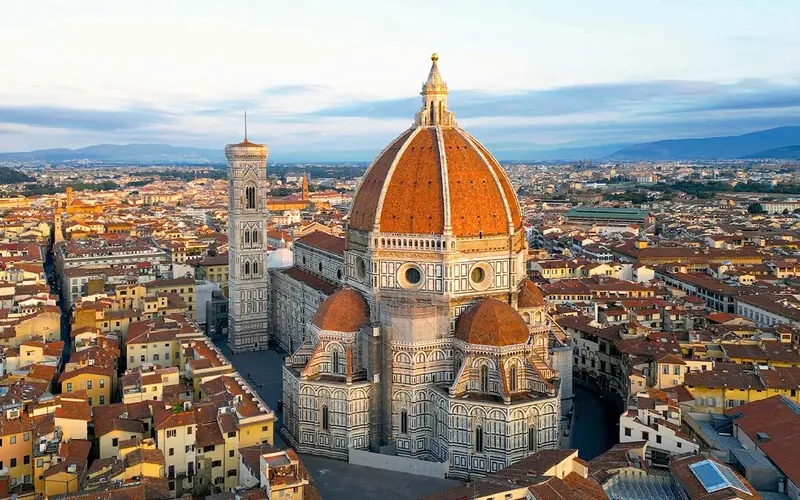
- Exploring the historic centre of Florence on foot
- Touring the area around San Marco and the Rialto in Venice
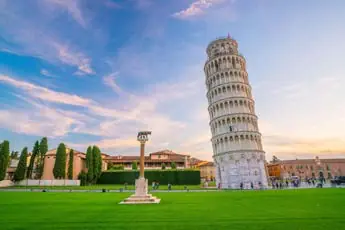
- Adding short stops such as Pisa as photo breaks
What is not realistic in five days is exploring every major museum in detail or having a relaxed free day in each city.
A sample 5-day route: Classic Italy Tour
The Classic Italy Tour is a 4 nights, 5 days programme with hotel accommodation that gives a concrete answer to this question. The route in the catalogue is as follows:
- Day 1: Istanbul – Bologna – Florence
- Day 2: Pisa, Siena and San Gimignano, based in Florence
- Day 3: Florence – Rome; Naples and Pompeii are planned in connection with this day
- Day 4: Rome – Venice
- Day 5: Venice – Bologna – Istanbul
The logic of this route is to use Bologna as the gateway in and out and to make Florence a base for Tuscany. The exact scope of Naples and Pompeii is stated in writing at the quote stage; we agree with your group how these stops will fit into a busy day.
Getting ready for a fast-paced programme
The secret to enjoying a short, intensive trip to Italy is managing tiredness.
- Shoes: You will walk long distances each day on cobbled streets. Comfortable, well worn-in shoes are essential.
- Light bag: During the day, carry only water, a charger, a light top and your documents.
- Reading ahead: Reading a short one- or two-page summary for each city makes brief visits far more meaningful.
- Priority list: In each city, pick one or two places you would not go home without seeing. Knowing where to go when you get free time saves minutes.
What can you add if you stay longer?
7–8 days
A week gives the five-day route room to breathe. Adding a second day in Rome frees up time for the Vatican Museums and Trastevere. Staying another day in Florence lets you explore the Uffizi or the Accademia at leisure.
10 days or more
Ten days is enough to widen the route. You can add places such as the Amalfi Coast in the south, or Milan and the lakes, Verona or Cinque Terre in the north. These stops are not part of the Classic Italy Tour catalogue programme; if you are thinking of a tailor-made route for your group, write to us via our contact page.
Making Italy part of a longer European tour
If you would like to see Italy together with several other countries, the Grand Europe Tour is a 13 nights, 14 days alternative. On this route, the Italian section covers Bari, Rome, Pisa and Florence, then continues with Paris, the Benelux countries, Central Europe and the Balkans. Venice, Siena and San Gimignano are not part of this programme, so if you want to see Italy in depth, the Classic Italy Tour is the more focused choice. We explain how a multi-country route is put together in our how to plan a Europe tour article.
Where do you lose time on a short programme?
On a five-day trip every minute counts, and time is usually lost in unexpected places: leaving the hotel late in the morning, delays at group meeting points, long searches for lunch and souvenir shopping. Having breakfast early, keeping to meeting times and getting lunch done quickly somewhere practical can gain you an extra hour every day. In the evening, a quick look at the next day's plan is the easiest way to save time in the morning.
Which length suits whom?
- First-time visitors: 5 days is a good start for getting to know the main cities and deciding which one you will return to later.
- School groups: For high school groups studying art history and the ancient world, an intensive 5-day cultural programme is also practical for fitting into the school calendar.
- Families: With young children you may need to slow the pace. It is helpful to discuss the intensity of the programme at the quote stage.
- Culture lovers: If you want to spend plenty of time in museums, 5 days may feel short; consider an extra day in at least one city.
To see what stands out in each city, take a look at our places to visit in Italy article.
Frequently asked questions
Can you see Italy in 5 days?
5 days is enough to see the highlights of Rome, Florence and Venice. The pace is intense; exploring the museums in detail needs more time.
How many days should you spend in Rome?
Seeing the landmarks in one day is intense but possible. Two or three days are better for exploring the Vatican Museums and the neighbourhoods at a relaxed pace.
Is one day enough in Venice?
One day is enough to see St Mark's Square, the area around the Doge's Palace and the Rialto. If you want to explore the back streets and the islands, you will need more.
How long does the visa process take for a short trip to Italy?
Application times vary from period to period. Before you travel, check the current situation with the official sources of the country concerned and the Ministry of Foreign Affairs of the Republic of Türkiye, and plan your application early.