Skiing and winter · Türkiye
Ski Clothing and Equipment List: What to Pack
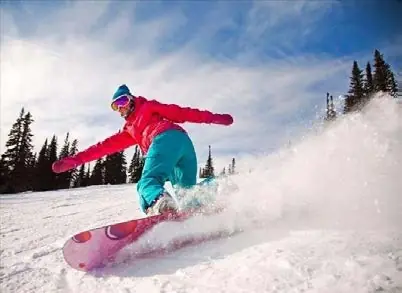
When going skiing, the things you need to bring yourself are a waterproof jacket and trousers, thermal base layers, a fleece mid-layer, gloves, a hat or neck warmer, ski socks and sunglasses or ski goggles. Skis, snowboards, boots, poles and helmets can be hired at ski resorts. Dressed in the right layers, you will be comfortable both in the morning cold and in the midday sun.
The basic principle: three layers
Ski clothing relies on thin, functional layers rather than a single thick one. That way you can take a layer off as it warms up and add one as it gets colder.
1. Base layer: thermal underwear
This is the layer in contact with your skin. Its job is to draw sweat away from your body and keep you dry.
- Choose synthetic or wool (for example merino) thermal base layers.
- Avoid cotton. Cotton absorbs sweat, stays wet and makes you cold.
- Take both a top and bottom thermal set.
2. Mid-layer: warmth
This is the layer that traps your body heat.
- A fleece or a thin woollen jumper is ideal.
- In very cold regions (such as Erzurum and Kars), you can add a thin puffer gilet or a second fleece.
3. Outer layer: protection
This is the layer that protects you from wind, snow and moisture.
- Ski jacket: waterproof and windproof, with a hood and plenty of pockets.
- Ski trousers: waterproof; choose models with inner gaiters at the ankles to keep snow out. Don't ski in jeans or tracksuit bottoms: they get wet quickly and make you cold.
Hands, feet, head: protect your extremities
Your hands, feet and face are the parts of the body that get cold fastest.
- Ski gloves: should be waterproof and insulated. Wool or knitted gloves get soaked by snow. For very cold regions you can wear a thin pair of liner gloves inside.
- Ski socks: long, knee-high socks that are thin but warm. Wearing thick socks or several pairs squeezes the boot, restricts circulation and actually makes you colder.
- Hat: a thin beanie or helmet liner to wear under your helmet.
- Neck warmer or balaclava: protects your face and neck on windy, cold days.
Eye and skin protection
Sunlight reflected off the snow strains your eyes and skin, even on days that look cloudy.
- Ski goggles or UV-protective sunglasses: goggles give better protection in wind and snow. Light-coloured (yellow or orange) lenses suit foggy days, and dark lenses suit sunny days.
- Sunscreen: high SPF, to be used on your face and ears.
- Lip balm: cold and wind crack your lips.
Equipment you can hire
At ski resorts you can usually hire the following:
- Skis or a snowboard
- Ski boots or snowboard boots
- Poles (for skiing)
- Helmet
Hired equipment is usually not included in the tour and is paid for separately. A helmet should always be worn, especially by children and beginners. Some resorts also hire out ski clothing, but bringing your own is preferable for both hygiene and comfort.
Packing list
You can use the list below as a checklist when packing your suitcase:
- Ski jacket and ski trousers
- Thermal base layer sets (at least two)
- Fleece or woollen mid-layer
- Ski gloves (and thin liner gloves)
- Ski socks (one pair per day)
- Hat or helmet liner
- Neck warmer or balaclava
- Ski goggles and/or sunglasses
- Sunscreen and lip balm
- Waterproof winter boots with non-slip soles (for the hotel and town)
- Comfortable clothes and slippers for the hotel
- Swimwear (if the hotel has a pool or thermal facilities)
- Personal medication and a small first aid kit (plasters, painkillers)
- Power bank for your phone
- ID card or passport and any required documents
Small but useful things
- Hand and foot warmers: chemical heat pads make very cold days more comfortable.
- A small backpack: for carrying water, snacks and spare gloves.
- Thermos flask: for hot tea or soup.
- Moisturiser: cold, dry air dries out your skin.
Extras for children
Children get cold and wet faster than adults. For them:
- Always carry spare gloves and socks.
- One-piece ski suits stop snow getting in.
- Make sure they always wear a helmet.
You'll find more tips for a ski holiday with children in our guide to skiing with kids.
Differences by region
- Eastern Anatolia (Palandöken, Sarıkamış): an extra mid-layer, thick gloves and a face mask are important for very cold mornings. Keep this in mind for the Erzurum Palandöken and Kars Sarıkamış tours.
- Resorts near the Marmara region and the Black Sea (Kartalkaya, Uludağ): expect wetter snow and some days with precipitation, so a waterproof outer layer matters even more. The same applies to Bolu Kartalkaya.
If it's your first time, have a look at our guide for first-time skiers, and for all winter options see our ski holidays page.
Frequently asked questions
Can I ski in jeans?
It's not recommended. Jeans get wet quickly, become heavy and make you cold. Wear waterproof ski trousers.
Can ski clothing be hired?
Some ski resorts also hire out ski clothing. However, it's recommended that you bring your own personal items such as thermal base layers, socks and gloves.
Is a helmet essential for skiing?
A helmet should always be worn, especially by children and beginners. Helmets can be hired at ski resorts.
How many layers should I wear for skiing?
A three-layer system is recommended: a thermal base layer, a fleece or woollen mid-layer and a waterproof outer layer. You can add or remove the mid-layer depending on the weather.