
International · Dubai
Things to See in Dubai: From the Old Quarters to Burj Khalifa
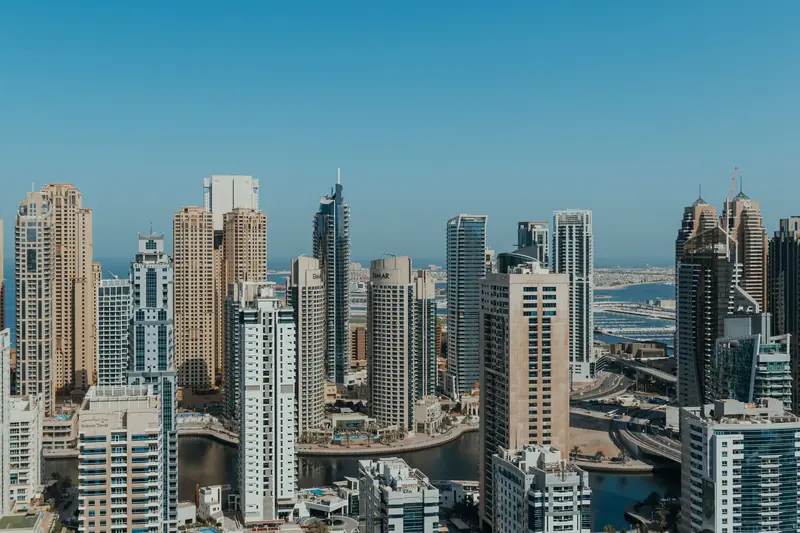
It helps to think of Dubai's sights as two separate cities: old Dubai around Dubai Creek (Al Fahidi Historical Neighbourhood, the abra crossing, the gold and spice souks) and new Dubai with its soaring skyscrapers (Downtown, Burj Khalifa, the Dubai Fountain, Dubai Marina). On a first visit, setting aside one day for the old city and Downtown and one evening for the Marina is a good start to seeing both faces of the city.
Below we have listed the places district by district, noting what to look out for at each and which time of day is most enjoyable.
Old Dubai: around the Creek
Al Fahidi Historical Neighbourhood
Al Fahidi, also known as Bastakiya, is one of the rare corners of Dubai that preserves the city as it was before oil. Narrow lanes, sand-coloured walls and the wind towers (barjeel) on top of the houses catch your eye straight away. These towers were a traditional way of cooling homes before air conditioning, channelling the breeze inside. The neighbourhood has small galleries, cafés and cultural centres. As there is little shade, it is more comfortable to visit in the morning.
Crossing the Creek by abra
Dubai Creek is a natural inlet that divides the city into Bur Dubai and Deira. The wooden boats that have carried passengers between the two banks for centuries are called abras. The crossing takes a few minutes, but it is one of the moments that most vividly conveys the city's trading past: cargo ships (dhows) on one side, the skyline of the old souks on the other.
The gold and spice souks
On the Deira side there are two souks close to each other. The Gold Souk is known for its shop windows, the Spice Souk for its sacks full of saffron, cardamom, dried lemons and incense. Bargaining is common in the souks; asking prices politely and not rushing is all it takes.
New Dubai: Downtown and the coast
Burj Khalifa
Burj Khalifa, known as the tallest building in the world, stands at the heart of Downtown Dubai. From its observation decks you can see how the city spreads towards the desert, and the coastline. Sunset slots are in high demand, so it can be hard to get a place at that time; it is a good idea to plan your visit time in advance.
The Dubai Fountain and Downtown
In the evenings there are water shows set to music on the lake at the foot of Burj Khalifa. You don't need a ticket to watch the show; it can be seen easily from the walkways around the lake. The huge shopping centre right next to it also works as a cool place to take a break in the hot hours.
Dubai Marina
With its promenade along the canal, its cafés and yacht harbour, the Marina comes alive in the evening. When the lights come on, the reflection of the skyscrapers in the water is one of the city's most photographed sights. The nearby beaches are also good for a swim during the day.
Outside the city: the desert
The most common way to see the desert without going far from the city is a desert safari: off-road driving over the dunes, the sunset and an evening programme at a camp are usually part of these tours. Dune driving may not be suitable for pregnant guests or those with back or neck problems; we recommend you consider this before taking part.
Adding Abu Dhabi to the list
Having come all the way to Dubai, it would be a real shame not to see Abu Dhabi, the capital of the UAE. Sheikh Zayed Grand Mosque and the Louvre Abu Dhabi are two major stops that can easily be visited in a single day. For details, take a look at our Abu Dhabi travel guide.
In what order should you see these places?
A practical order might be:
- Morning: Al Fahidi, the abra crossing and the Deira souks (while the sun is not yet scorching).
- Afternoon: Over to Downtown and a visit to Burj Khalifa.
- Evening: The Dubai Fountain show or a walk in the Marina.
TatiliYakala's Dubai and Abu Dhabi tour is built on similar logic: a walk in Dubai Marina on the first evening; on the second day Al Fahidi, the abra crossing of the Creek and the gold and spice souks, then Burj Khalifa and the Dubai Fountain in the afternoon, with an optional evening desert safari for those who want it. The third day is for Abu Dhabi and the fourth for free time and shopping. We finalise the details for your group together at the quote stage.
If you are wondering which season to go in, see our article When to visit Dubai; if you are working out how many days you have, see How many days do you need in Dubai.
Practical notes for sightseeing
In Dubai the distances between stops are not walkable; to get from the old city to Downtown and on to the Marina you use the metro, a taxi or a group vehicle. Dividing the day by district therefore cuts down travel time. In Al Fahidi and the souks, choose comfortable clothes that cover your shoulders and knees; shopping centres and museums are heavily air-conditioned, so keep a light cardigan with you. Always carry your water bottle in your bag and spend the midday hours indoors as much as possible.
Frequently asked questions
Are there free things to see in Dubai?
Yes. You don't need a ticket to wander around Al Fahidi Historical Neighbourhood, explore the souks, watch the Dubai Fountain show or spend time on the Marina promenade. The abra crossing costs only a token fare too.
Do you have to go up Burj Khalifa?
No, but most first-time visitors choose to. If you don't want to go up, the most impressive way to see the building is in the evening from the edge of the lake, during the fountain show.
How long does it take to see old Dubai?
Al Fahidi, the abra crossing and the two souks can be seen in half a day without rushing. In the hot seasons we recommend doing this part in the morning.
Is a desert safari suitable for children?
The evening programme at the camp is usually enjoyable for families. Dune driving, however, can be bumpy, so for young children, pregnant women and people with back problems it is worth asking for a calmer option.