
International · Dubai
When to Visit Dubai: Weather, Crowds and Ramadan Month by Month
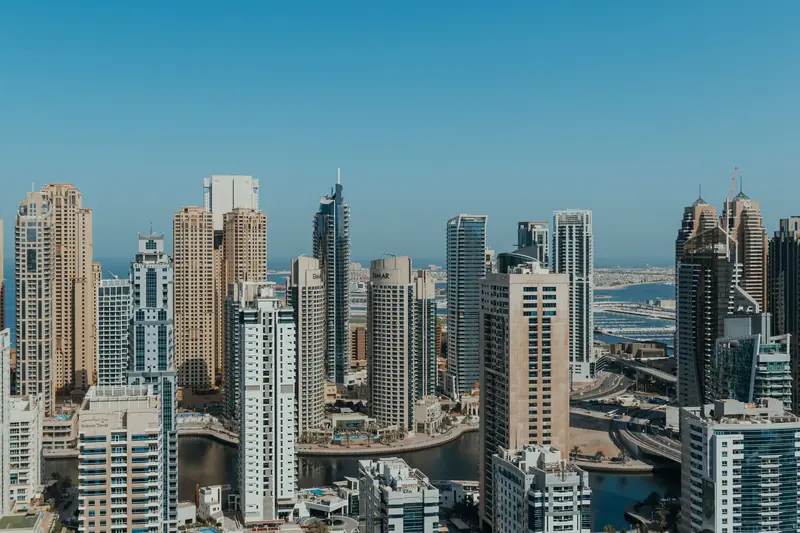
The most comfortable time to visit Dubai is usually between November and March: the days are mild, the evenings cool enough to sit outdoors, and a city tour, the desert and the beach combine easily on one trip. June to September is very hot and humid; travelling is possible in these months, but the outdoor programme gets squeezed into the early morning and evening. October and April are transition months in between.
The weather is not the only factor. Crowds, school holidays and periods such as Ramadan also change the pace of a trip. Below we have divided the year into four periods.
November–March: the comfortable sightseeing season
This is Dubai's high season. The sun is still strong, but walking around is not tiring. The narrow lanes of Al Fahidi, the Creek waterfront and the Marina promenade can be explored at any time of day. On a desert safari you feel the evening chill, so it is a good idea to bring a light cardigan or shawl.
Things to bear in mind:
- New Year and the school holiday weeks are the busiest times. As hotel and flight options can fill up quickly, early planning is important.
- In winter there can be the occasional rainy or windy day.
- Some days the sea turns cool; if swimming is a priority, consider a hotel with a pool.
If you are thinking of spending New Year abroad, take a look at our New Year holidays page too.
April–May: warming days
From April the temperature rises noticeably, and by May the midday hours are already challenging. Splitting the programme works well in this period: outdoors in the morning, museums, shopping centres and indoor spaces in the afternoon, and outdoors again in the evening. As crowds are smaller than in winter, some sights are quieter.
June–September: hot and humid summer
Dubai's summer is not just hot but humid too. For most people, spending long periods outdoors in the middle of the day is exhausting. Even so, those who choose this season find that the city is largely planned around air-conditioned indoor spaces: shopping centres, museums, indoor entertainment venues and hotels.
Tips for a summer trip:
- Put sights such as Burj Khalifa and the Dubai Fountain in the evening.
- Visit the souks and the historic neighbourhood early in the morning.
- Drink plenty of water and use a hat and sun cream; increase the number of breaks for children and older participants.
- Desert safaris also run in summer, but it is hot even close to sunset.
Late September–October: the transition period
From October the temperature gradually drops. Summer weather may continue at the start of the month, while towards the end the evenings become more comfortable. It is a balanced option if you want to go before the winter crowds arrive.
Dubai during Ramadan
As the dates of Ramadan change every year, check whether your trip falls in this month. During Ramadan the city keeps working, and hotels and tourist sights are open, but there are some differences:
- You need to be more careful about eating, drinking and smoking in public during the day. Although practice has relaxed over the years, behaving respectfully is always the right choice.
- The opening hours of some restaurants and venues may change.
- The city comes alive after iftar; the evenings have an atmosphere unique to Ramadan.
For details on clothing and behaviour, see our article What to wear in Dubai and etiquette.
Timing for groups and companies
For school groups, the mid-year break and the spring holiday weeks coincide with periods of good weather. Corporate groups can avoid the busy holiday weeks and choose November or February–March. TatiliYakala's Dubai and Abu Dhabi tour is a 3 nights, 4 days city programme; we finalise the details by period and group together at the quote stage. For school groups, you can find general information on our School Trips page.
Before you go
Visa and entry requirements can vary by passport type and over time. Before travelling, check the current situation with the official sources of the United Arab Emirates and the Turkish Ministry of Foreign Affairs.
How does the programme change with the season?
Visiting the same city in different seasons makes for two completely different experiences. In winter, strolling around Al Fahidi at midday, drinking tea outdoors by the Creek and walking in the Marina in the evening fit easily into one day. In summer the backbone of the same day changes: the souks early in the morning, a museum or shopping centre at midday, and the Dubai Fountain and Marina after sunset. Whatever the season, putting outdoor stops in the morning and indoor ones at midday is the basic rule that works in Dubai. On group trips, setting up this pattern from the start noticeably reduces how tired participants get.
Frequently asked questions
What is the best month to go to Dubai?
In terms of weather, November to March is the most comfortable period. If you want to avoid the crowds, November, or late February and early March outside New Year and the school holiday weeks, offer a good balance.
Can you go to Dubai in summer?
You can, but the middle of the day is not suitable for being outdoors. If you build your programme around early mornings, evenings and indoor spaces, you can have an enjoyable trip in summer too.
Can you swim in the sea in Dubai in winter?
Plenty of people swim on sunny winter days, but the water is noticeably cooler than in summer. If you feel the cold easily, it makes sense to choose a hotel that also has a pool.
Is it a problem to go to Dubai during Ramadan?
No; the city and tourist sights are open. You just need to behave more considerately in public during the day and be aware that some venues may change their hours.