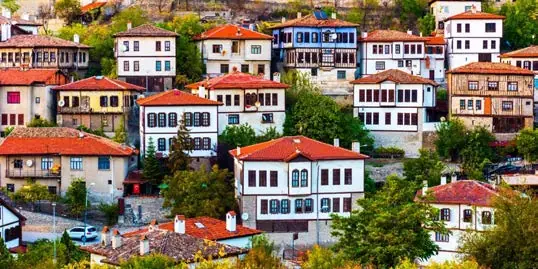
Domestic · Safranbolu
What to Eat and Buy in Safranbolu and Amasra
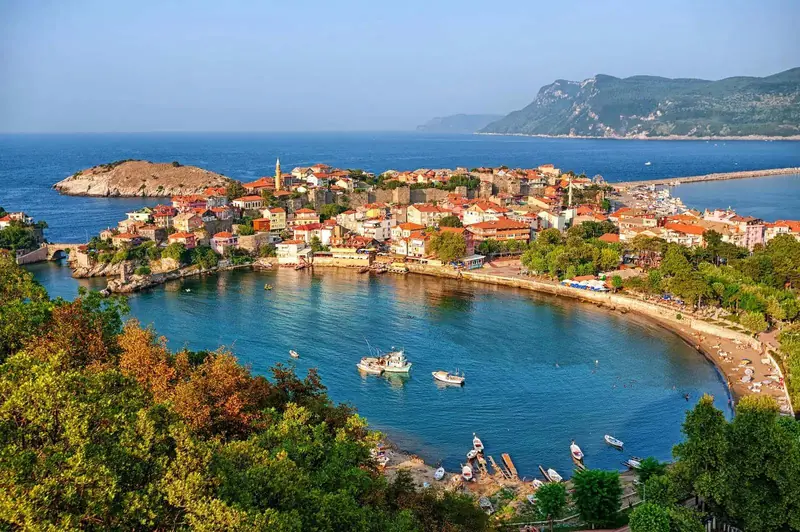
Coming back from Safranbolu, your bag usually holds Turkish delight, saffron products and a copper piece; from Amasra, wooden handicrafts; and from Devrek, a walking stick. At the table, Safranbolu's local dishes and Amasra's fish stand out along the route. In this article we list what you can taste and buy at the stops on our Safranbolu and Amasra tour.
Safranbolu: the city of Turkish delight and saffron
Safranbolu Turkish delight
Safranbolu's best-known souvenir is Turkish delight (lokum). There are many lokum shops in the bazaar and most offer tastings. Plain, walnut, hazelnut and saffron varieties are common. On our tour there is a Turkish delight break at the Yemeniciler Arasta; it is a good chance both to taste and to buy gifts.
Saffron
The town takes its name from the saffron plant grown in the area. Saffron is obtained by hand-picking the fine stigmas of the flower, and because so little is produced, it is a precious spice. In Safranbolu you will find products such as saffron Turkish delight, saffron tea and saffron desserts. If you are buying pure saffron, we recommend buying it in small packs from trustworthy shops.
Safranbolu's local dishes
Safranbolu's cuisine combines Ottoman and Black Sea influences. Among the dishes the region is known for:
- Bükme: A type of pastry made with thin dough and filled with minced meat.
- Zerde: A rice pudding coloured with saffron. It shows the town's link with saffron at the table.
These dishes are not part of the programme; they are suggestions for anyone who wants to try them during free time.
What to buy in Safranbolu
From the Yemeniciler Arasta
The arasta takes its name from "yemeni", traditional leather shoes. Today, alongside yemeni shoes, you can find:
- Hand-embroidered textiles and printed headscarves (yazma)
- Carved wooden and hand-painted objects
- Miniature models of Safranbolu houses
- Local soaps and natural products
here.
From the Coppersmiths' and Blacksmiths' bazaars
The Coppersmiths' Bazaar sells hammered copper goods such as Turkish coffee pots (cezve), trays, pans and decorative plates. In the Blacksmiths' Bazaar you will find handmade pocket knives, knives and small tools. These items are both practical and valuable as a memento of a craft tradition.
Yörük Köyü
In Yörük Village, visited on the morning of day three, you may find small handicrafts made by the villagers, gözleme (stuffed flatbread) and home-made products. You can browse them as you stroll through the village streets during free time.
Amasra: fish and wood
Unlimited fish
Lunch on our tour is unlimited fish in Amasra. The type of fish served depends on the season and the day's catch. Autumn and winter are the most plentiful months for fish in the Black Sea; in summer, other species come to the table. The fish usually comes with a local salad known as Amasra salad and seasonal greens.
Çekiciler Bazaar
Amasra's Çekiciler Bazaar is the centre of its woodwork. Wooden spoons, ladles, bowls, mortars and salt cellars shaped on the lathe are the most popular items. Wooden goods are light and unbreakable, which makes them easy to carry on the coach. We describe Amasra's other stops in our Amasra travel guide.
Devrek walking sticks
On the way back, we visit a walking-stick workshop in Devrek. The Devrek walking stick is a craft product carved and finished by hand from tree branches, a tradition that goes back centuries. Seeing how a stick is made at the workshop helps you understand the process, from choosing the wood to carving and varnishing it. It can make a meaningful gift for grandparents.
Mengen: hometown of cooks
Mengen, on the return route, is famous for the cooks it produces. Many cooks who have worked all over Türkiye and in palace kitchens are known to have come from this district. On our tour, Mengen is a transit point; it is not included in the programme as a meal stop.
Choosing gifts: what for whom?
- For those with a sweet tooth: Safranbolu Turkish delight or saffron Turkish delight.
- For keen cooks: A hammered copper coffee pot, a set of wooden spoons or a small pack of saffron.
- For older relatives: A Devrek walking stick or a hand-embroidered headscarf.
- For children: A miniature model of a Safranbolu house or wooden toys.
- For colleagues: Turkish delight in small boxes is a light gift that is easy to share.
Setting your budget and the space in your suitcase in advance makes it easier to decide in the bazaar. Shopping takes place in Safranbolu on day two, and in Amasra and Devrek on day three.
Watching the craftspeople
The value of the bazaars in Safranbolu and Amasra is not only in what they sell. Watching a master hammer copper into shape in the Coppersmiths' Bazaar, seeing a spoon emerge on the lathe in the Çekiciler Bazaar or watching a walking stick being carved in Devrek are among the most memorable moments of the trip, even if you buy nothing. Do not hesitate to ask the craftspeople questions respectfully; most are happy to talk about their work. These short conversations also add a story to the gift you take home.
Shopping tips
- Buy your Turkish delight in Safranbolu, not on the last day; the tour route does not return to Safranbolu.
- Copper goods are heavy; if you plan to buy a lot, allow for the space in your suitcase.
- Ask for long items such as wooden goods and walking sticks to be wrapped suitably for carrying on the coach.
- If you are unsure about pure saffron and its quality, ask the seller and start with a small amount.
Frequently asked questions
What to buy in Safranbolu
Safranbolu Turkish delight, saffron products, hammered copperware, yemeni shoes and hand-embroidered textiles are the most popular souvenirs.
Where does the name Safranbolu come from?
The town takes its name from the saffron plant grown in the area.
What fish do you eat in Amasra?
The fish served depends on the season and the day's catch. On our tour, unlimited fish is included in the programme for lunch.
What is a Devrek walking stick?
It is a traditional walking stick carved and finished by hand from tree branches in Devrek. On our tour, we visit a walking-stick workshop on the way back.