International · Benelux
When to Visit Benelux and Paris, and What to Wear: A Season and Clothing Guide

For the Benelux countries and Paris, late spring to early summer (April to June) and early autumn (September) are usually the most comfortable times; the days are long and the weather is good for walking. Rain is possible in every season in this region, so whenever you go, a waterproof jacket and comfortable shoes should be in your suitcase. Winter is cold with short days, but the Christmas markets give it a character all its own.
Get to know the region's climate
Belgium, the Netherlands and Luxembourg have a mild, damp climate influenced by the North Sea. This climate has three distinct features:
- Rain is spread throughout the year. Short showers can appear even in the middle of a sunny day.
- You feel the wind. Especially in the open spaces of the Netherlands and near the coast, the wind makes it feel cooler than the thermometer shows.
- Extreme heat is rare. Summers are generally mild, although there can be occasional heatwaves.
Cologne and Paris follow a similar pattern but can be a little warmer in summer. Luxembourg, being further inland on hilly terrain, can have harsher winters.
Benelux and Paris season by season
Spring (March to May)
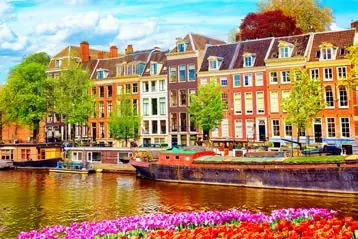
This is the Netherlands' most famous season: the tulip fields bloom in spring. The tulip season usually peaks in April but shifts a little each year depending on the weather. Parks and gardens burst into colour, and sitting outdoors in the cities becomes a pleasure. March can still be cool and wet; May is usually more settled.
At the end of April, the Netherlands celebrates King's Day. The cities turn orange, with big crowds and a festive atmosphere in the streets. If you will be in Amsterdam on these dates, be prepared for the crowds.
Summer (June to August)
The days are very long, which means extra hours for sightseeing. Canal cruises, open-air cafés and parks are at their liveliest. However, this is the busiest tourist season; museums in Amsterdam, landmarks in Paris and Disneyland get crowded. In August, some local businesses in Paris may close for the holidays.
Autumn (September to November)
September is a good month, with fewer summer crowds and weather that is still mild. In October and November the rain increases, the days shorten and the air cools. In these months, autumn colours add a special beauty to the canals of Bruges and the parks of Paris.
Winter (December to February)
Winter can be cold, damp and grey, and the days are short. On the other hand, in December the Christmas markets, lights and hot drink stalls give the cities a fairy-tale atmosphere. Cologne, Brussels and Luxembourg are known for their Christmas markets. Disneyland also welcomes visitors with special decorations at Christmas. If you go in this period, wrapping up warmly is essential.
What to wear: the logic of layering
The most practical clothing strategy for this region is several thin layers rather than one thick item. During the day you can add or remove layers according to the weather, wind and rain.
For spring and autumn
- T-shirt or light top
- Cardigan, jumper or light fleece
- Light waterproof and windproof jacket with a hood
- Comfortable trousers
- Waterproof or quick-drying walking shoes
- A light scarf
For summer
- Breathable T-shirts and shirts
- A light top for evenings and rainy days
- Foldable raincoat
- Sunglasses and a hat
- Comfortable trainers
For winter
- A warm base layer
- A thick jumper
- A warm waterproof coat
- Hat, gloves and scarf
- Thick socks and waterproof boots
Umbrella or raincoat?
Because of the wind in this region, an umbrella can sometimes be a struggle. A hooded raincoat or waterproof jacket leaves your hands free and won't turn inside out in the wind. Still, a small folding umbrella takes up little room in your bag.
Choosing shoes
The historic centres of Bruges, Brussels and Luxembourg are cobbled, and the stones can be slippery in the rain. Waterproof shoes with non-slip soles that you have already worn in are the item you will find most useful on this route. The Disneyland day also involves a lot of walking, so comfortable shoes are a lifesaver there too.
Extra notes for children
If you are travelling as a family, be sure to bring spare clothes and a second pair of shoes for the children; shoes soaked on a rainy day can spoil both the sightseeing and the Disneyland day. For young children, a light raincoat and hat come in handy even in summer. Choosing pieces that are easy to take off and put on during the day makes moving between indoor and outdoor spaces easier.
Planning by route
The Benelux, Paris and Germany Tour combines Brussels, Bruges, Amsterdam, Cologne, Luxembourg and Paris in 5 nights, 6 days and sets aside one day for Disneyland. We finalise suitable dates for your group together at the quote stage. We are happy to discuss periods that fit the holiday calendar for school or family groups.
If you are wondering how to pack for a long route, take a look at our Europe tour packing list article too.
Frequently asked questions
When should you go to Amsterdam for the tulips?
The tulip season usually peaks in April. However, flowering varies a little each year depending on the weather, so it is a good idea to check the latest information as the date approaches.
Does it rain a lot in Benelux?
Rain is spread throughout the year, and short showers can occur in any season. With a waterproof jacket and shoes, this barely affects your trip.
Can you visit Benelux and Paris in winter?
Yes. It is cold and the days are short, but the Christmas markets and lights give winter a special atmosphere. Simply wrap up warmly.
Are Paris and Amsterdam very crowded in summer?
Summer is the busiest period for these cities. Planning museum and landmark visits in advance and making use of the early hours of the day reduce the impact of the crowds.