Istanbul trips · Dolmabahçe
Dolmabahçe Palace and the Naval Museum: A Half-Day School Trip Guide
Dolmabahçe Palace and the Naval Museum right next to it make a short but packed programme for teachers who want to take students out in the morning and have them back at school in the afternoon. At the palace you see the late Ottoman period and the room where Atatürk spent his final days; at the Naval Museum, maritime history and the imperial caiques. The total time is about five hours.
Why does this trip fit into half a day?
The two stops are a few minutes apart, both in Beşiktaş on the shore of the Bosphorus. This means almost no time is lost on transport. The Dolmabahçe Palace and Naval Museum Tour programme runs like this:
- 08:30 Departure
- 09:30 Dolmabahçe Palace with a guided commentary
- 11:00 Beşiktaş Naval Museum
- 12:00 Departure for the return
- 13:30 Arrival
As the return is at midday, students can attend their afternoon lessons. This is a big advantage at times when taking a full day off is difficult.
Dolmabahçe Palace: what to explain
A brief history
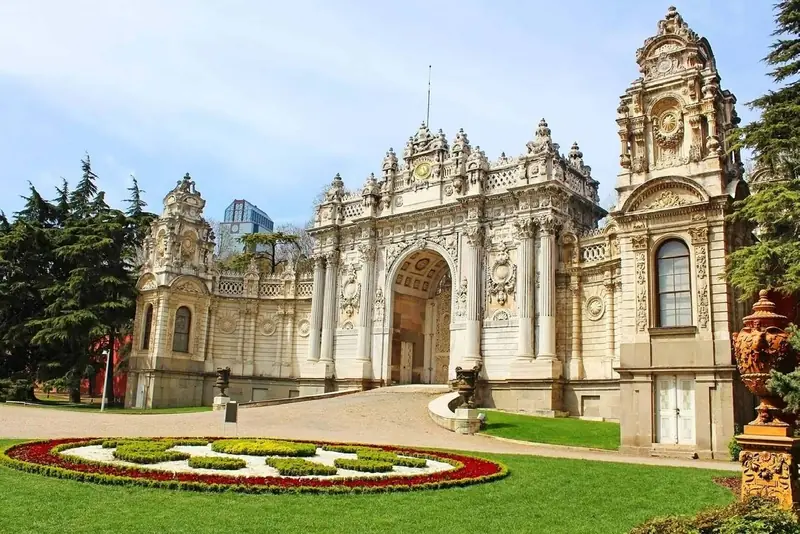
Dolmabahçe Palace was built in the mid-19th century during the reign of Sultan Abdülmecid. It takes its name from the garden once created by filling in the sea. The Ottoman sultans' move from Topkapı Palace to this new building on the Bosphorus shore, reminiscent of European palaces, symbolises the changing face of the empire in its final period.
The palace kept its importance in the early years of the Republic too. Atatürk stayed here when he came to Istanbul, and he passed away in this palace on 10 November 1938. The story that the palace clocks were stopped at 9:05 is one of the details students remember most.
Highlights of the visit
The sections open to visitors and the visiting rules depend on the palace management's arrangements at the time. In general, these are the points that interest students:
- The Selamlık and Harem division: How the part of the palace where state affairs were conducted was separated from the private living quarters.
- Magnificent halls: Huge chandeliers, crystal stair balustrades and decoration show the taste of a 19th-century palace.
- Atatürk's room: The most emotional moment of the visit. It is a good idea to remind students to be quiet for a moment before entering this room.
- The Clock Tower and palace gardens: The Clock Tower in front of the palace and the gardens on the Bosphorus shore are good spots for photos.
Links to lessons
In our catalogue, this trip is highlighted for classes covering the history of the Republic and Atatürk. You can discuss these topics in class beforehand:
- The Tanzimat and the Ottoman modernisation efforts
- Atatürk's visits to Istanbul and his final days
- The meaning of 10 November and the traditions of remembrance
Beşiktaş Naval Museum: what to see
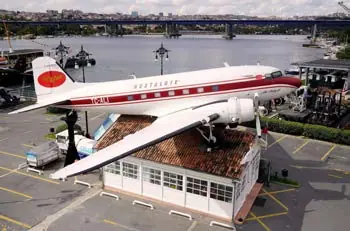
The Naval Museum, a few minutes from the palace, focuses on Turkish maritime history. The most impressive part of the museum is the imperial caiques that the sultans used on the Bosphorus. These long, elegant, decorated boats link directly to what you saw at the palace: the sultans travelled to their waterside palaces and pavilions in them.
The museum also displays ship models, navigational instruments, maps and objects from Ottoman maritime history. The Tomb and statue of Barbaros Hayrettin Pasha near the museum complete the area's maritime character.
Giving students a simple task at the Naval Museum boosts their interest, for example: "Find the longest caique and guess how many oarsmen it might have needed."
Visiting rules and preparation
- Clothing: Simple and comfortable. There is a lot of walking and climbing stairs in the palace.
- Floor protection: Visitors may be asked to put protective covers over their shoes to protect the palace floors.
- Photography: Photography may be restricted inside the palace. Follow the staff's instructions; taking photos in the gardens and outside is usually possible.
- Group arrangement: The palace halls can be crowded. Keeping groups small so that all students can hear the guide, and placing a teacher at the back of the line, works well.
- Bags: Because of security checks, a small bag is enough.
Back in class after the trip
When you return to lessons in the afternoon, you can run a short activity to make use of the fresh impressions of the trip. Ask students to describe in a few sentences the room in the palace that impressed them most, or a caique they saw at the Naval Museum. With older classes, a short discussion comparing Topkapı Palace and Dolmabahçe Palace is a good start for talking about the changing face of the late Ottoman Empire. Activities linked to the week of 10 November through a short commemorative piece of writing are also meaningful.
Which year groups is it suitable for?
Thanks to its short duration and city location, it can be adapted to every age group from primary to high school. Younger pupils are drawn to the imperial caiques and palace halls, while for high school students Atatürk's final days and Ottoman modernisation offer ground for deeper discussion. You can find general planning information on school trips on our school trips page.
If you are planning another Istanbul trip in the same term, take a look at our article Things to see in Sultanahmet in one day, where we describe the full-day programme around the historic peninsula.
Frequently asked questions
How long does the Dolmabahçe Palace trip take?
In our catalogue programme, the Dolmabahçe Palace and Naval Museum tour takes about five hours. About an hour and a half is spent at the palace with a guided commentary, and about an hour at the Naval Museum.
Which parts of the palace do we visit?
The sections open to visitors and the visiting rules depend on the palace administration's arrangements on that date. Current information is given in the quote.
Can you visit the room where Atatürk died?
The room where Atatürk spent his final days is one of the parts of the palace that draws the most interest from visitors. The sections that can be visited are confirmed according to the palace's arrangements at the time.
Can students return to lessons in the afternoon?
Yes. The programme starts at 08:30 and finishes with arrival at around 13:30; it is planned so that students can return to lessons in the afternoon.