International · The Balkans
How Many Days Should a Balkan Tour Be? Comparing a 3-Day and an 8-Day Route
If you want a short weekend taster of the Balkans, the 2-night, 3-day Balkan Trio is enough; if you also want to see Sarajevo, Mostar, the Adriatic coast and Ohrid, you need the 6-night, 8-day Grand Balkans route. The real question that decides your choice is not "how many countries will I visit?" but "which cities do I want to see, and in how much depth?" Below, we set the two routes side by side.
A quick summary of the two routes
Balkan Trio: 2 nights, 3 days
The Balkan Trio Tour can be summed up as "three days, three countries, five cities". The programme is as follows:
- Day 1: Istanbul, Kavala, Thessaloniki and, on the same day, Skopje, the capital of North Macedonia
- Day 2: From Skopje to Sofia, the capital of Bulgaria
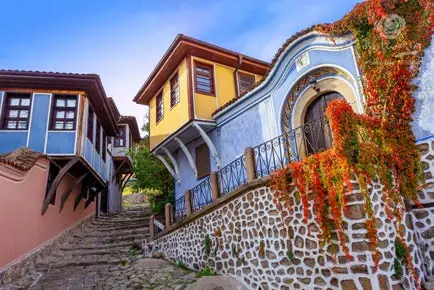
- Day 3: Sofia, Plovdiv (Filibe) and return to Istanbul
Passing through Greece, North Macedonia and Bulgaria, this route is a short but packed first step into the Balkans. It stands out as a good option for culture lovers, young people and corporate groups.
Grand Balkans: 6 nights, 8 days
The Grand Balkans Tour is a comprehensive journey stretching from Ottoman traces to the shores of the Adriatic. The route in the catalogue passes through Bulgaria, Serbia, Bosnia and Herzegovina, Croatia, Montenegro, Albania, North Macedonia and Greece:
- Istanbul, Sofia
- Sofia, Belgrade
- Belgrade, Sarajevo
- Sarajevo, Mostar, Blagaj, Počitelj, Trebinje and the surrounding area
- Trebinje, Dubrovnik, Kotor, Budva, Podgorica or Shkodër
- Shkodër, Tirana, Elbasan, Ohrid
- Ohrid, Tetovo (Kalkandelen), Skopje
- Skopje, Thessaloniki, Kavala, Istanbul
This route is considered suitable for culture lovers, corporate groups and families.
Five questions to ask when deciding
1. How much time off can you take?
The three-day route fits into a long weekend or a short break. The eight-day route needs almost a full week. School and company calendars often answer this question for you.
2. Is Bosnia and Herzegovina a must for you?
Sarajevo's Baščaršija and the Mostar Bridge are at the heart of many people's Balkan dreams. These cities are only on the Grand Balkans route. For details, see our guide to Sarajevo and Mostar.
3. Are you interested in the sea and walled cities?
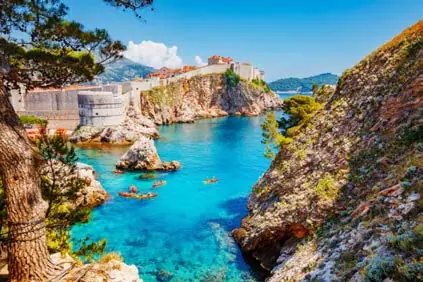
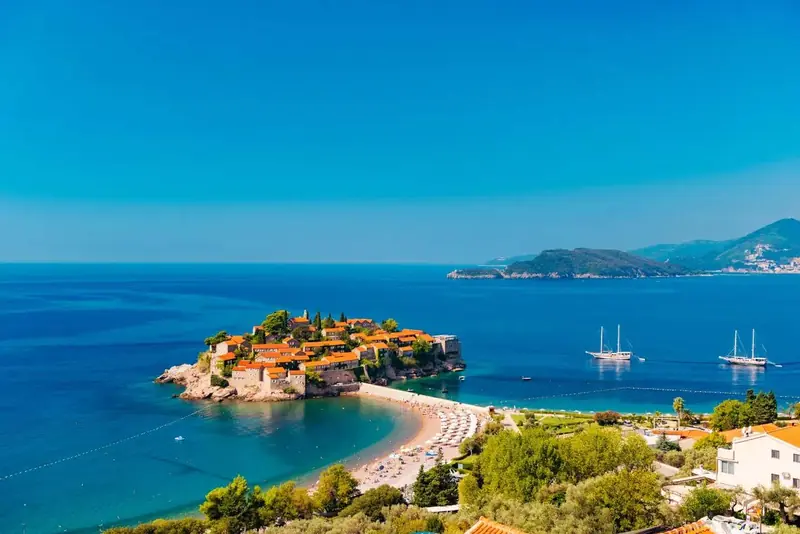
Dubrovnik, Kotor and Budva, along with the Adriatic coast, are also only on the long route. Stone walls, bays and mountains plunging into the sea make this one of the most distinctive days of the route; see our article on Kotor, Dubrovnik and Budva.
4. How much coach travel are you ready for?
Roads between cities in the Balkans can be mountainous and winding; on a multi-country route, travel time inevitably increases. The short route spreads this load over three days, while the long route shows you many more cities in return. Those who can see the hours on the road as scenery and rest will enjoy the long route more.
5. Who are you travelling with?
For a young group of friends or a short corporate trip, the Balkan Trio is a practical solution. For extended families or groups that want to see the Balkans comprehensively in one go, the Grand Balkans is more satisfying.
Shared stops and differences
Both routes pass through Skopje, Thessaloniki, Kavala and Sofia. The short route's unique stop is Plovdiv (Filibe); the long route instead adds Belgrade, Bosnia and Herzegovina, the Adriatic coast, Albania and Ohrid. So someone who does the Balkan Trio and later joins the Grand Balkans will see some cities again, but most of the route will be new.
If you are curious about the North Macedonia leg, our guide to Skopje and Ohrid will help, and if you want to see the historical ties along the route, our article on the Ottoman heritage of the Balkans.
Transport, accommodation and documents
The catalogue does not specify the mode of transport for the Balkan Trio; the route and transport plan are given in writing in the quote according to the date and group size. On the Grand Balkans, the overnight cities are planned according to the route; the catalogue lists Podgorica or Shkodër as options for the fifth night, and hotel details are given in the quote.
On multi-country routes, visa and passport conditions should be assessed separately for each country. These conditions vary by passport type and date; before travelling, check the current situation with the official sources of the countries concerned and the Ministry of Foreign Affairs of the Republic of Türkiye. We also share the current requirements at the quote stage.
Which season should you visit the Balkans?
For Balkan tours, spring and autumn usually stand out as the most comfortable times for city walks and long coach journeys. In summer, inland cities can be hot and the Adriatic coast gets crowded; on the other hand, the days are long and the seaside stops are at their liveliest. In winter, snow and ice on mountain passes can slow the journey, something to bear in mind especially on the long multi-country route. The short route is less affected by changes in season. When choosing your dates, also allow for longer waiting times at border crossings during school and public holidays.
Frequently asked questions
Are 3 days enough for a Balkan tour?
Three days are enough to get a brief taste of cities such as Thessaloniki, Skopje, Sofia and Plovdiv. If you also want to see Sarajevo, Mostar, the Adriatic coast and Ohrid, you need an eight-day route.
Which countries does the Grand Balkans tour pass through?
The route in the catalogue passes through Bulgaria, Serbia, Bosnia and Herzegovina, Croatia, Montenegro, Albania, North Macedonia and Greece.
Is Sarajevo on the Balkan Trio?
No. The Balkan Trio consists of Kavala, Thessaloniki, Skopje, Sofia and Plovdiv. Sarajevo and Mostar are on the Grand Balkans route.
Who are Balkan tours suitable for?
The Balkan Trio is considered suitable for culture lovers, young people and corporate groups; the Grand Balkans for culture lovers, corporate groups and families.