International · Adriatic coast
Kotor, Dubrovnik and Budva: A One-Day Guide to the Adriatic Coast
If you are visiting Dubrovnik, Kotor and Budva on the same day, pick one main goal in each: the walls and Stradun in Dubrovnik, the bay views and the walled old town in Kotor, and the old town reaching into the sea in Budva. All three have stone streets and city walls and lie close together, yet each has its own character. This article will help you spend the coastal day seeing as much as possible without wearing yourself out.
Dubrovnik: the walled Adriatic city
Dubrovnik, in southern Croatia, is known for its old town enclosed by medieval walls. For a long time it was an independent maritime republic (Ragusa) that grew rich on trade, and it also had close trading ties with the Ottomans. The old town is on the UNESCO World Heritage List.
Stradun
Stradun (Placa), the old town's main street, runs between two gates, its limestone paving polished to a shine over the centuries. Side streets climb steeply up flights of steps. The fountains and squares at either end of the street are natural spots for a short pause.
The walls
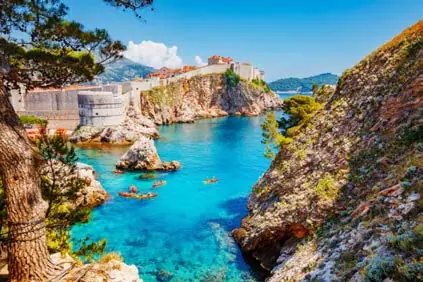
Walking on Dubrovnik's walls is the most impressive way to see the terracotta roofs and the sea at the same time. The wall walk involves lots of steps and is exposed to the sun; in summer, do not set off without water, a hat and sunscreen. How much time is set aside for the wall walk on your programme is confirmed with your guide, depending on how the day goes.
Kotor: the bay where mountains meet the sea
Kotor, in Montenegro, sits at the innermost point of a deep bay (Boka Kotorska) that cuts in between steep mountains. The bay is often compared to a fjord because of its appearance. The walled old town and its surroundings are also on the UNESCO World Heritage List.
Old town
Kotor's walled town, with its small squares, churches and maze-like streets, is best explored on foot. Getting lost is almost inevitable, but the area is small, so within a few minutes you come out onto a square again. The town's cats are a familiar part of street life too.
The fortress path
A path climbing along the walls up the mountain behind the old town lets you see the bay from above. The climb is long and steep and can be hard going in the heat. On group programmes the old town walk usually takes priority; the fortress path should be seen as an option depending on free time and your fitness.
Budva: old town and beaches
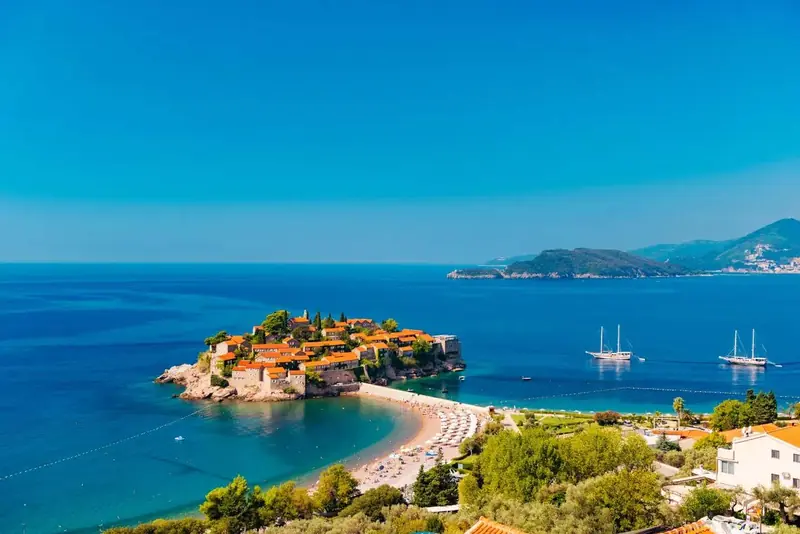
Budva is one of the lively resort towns on the Montenegrin coast. Its walled old town on a small peninsula, with stone streets and walls overlooking the sea, feels more open and sea-focused than Kotor. A walk along the shore around the old town is a good way to end the day and unwind.
Tips for seeing all three towns in one day
- Start early: Dubrovnik and Kotor get crowded during the day in summer. The morning hours are both cooler and calmer.
- Choose your shoes carefully: The stone paving in all three towns is slippery and the streets have steps. Comfortable shoes with grippy soles are a must.
- Be ready for the sun: The summer sun on the Adriatic coast is strong. Keep a hat, sunglasses and a water bottle in your small bag.
- Allow time for border crossings: On this day you cross from Bosnia and Herzegovina into Croatia, then into Montenegro. There may be waits at the border crossings; keep your passport where you can reach it at any moment.
- Know the currency: The euro is used in Croatia and Montenegro; even so, a card plus some cash will cover small purchases.
How this coastal day fits into the tour
On day five of the 6 nights, 8 days Grand Balkans Tour, the group sets out from Trebinje and visits Dubrovnik, Kotor and Budva in turn; that night is spent in Podgorica or Shkodër. Hotel details are given in the quote. The day before, Sarajevo, Mostar, Blagaj and Počitelj are visited; for these stops, see our Sarajevo and Mostar guide.
The coastal day is one of the fullest days of the route. How long is spent in each of the three towns is confirmed at the quote stage, depending on the season and group size. Note that the short Balkan route does not include the Adriatic coast; if you would like to compare the two routes, our article on how many days a Balkan tour should be will help.
On a multi-country day, visa and entry requirements are especially important. Conditions vary by passport type and date; before you travel, check the latest situation with the official sources of the countries concerned and the Turkish Ministry of Foreign Affairs.
Photo spots and viewpoints
The Adriatic day is one of the most photogenic days of the route. In Dubrovnik, views from the walls over the terracotta roofs and the harbour give you the city's classic image. As you approach Kotor, the road following the bay shore offers views of the mountains reflected in the water; you may want a window seat on the coach. In Kotor's old town the squares are narrow, so wide-angle mode comes in handy. In Budva, the shore where the old town walls meet the sea looks beautiful in the afternoon light. At crowded photo spots, waiting a few minutes and making room for others makes the day more enjoyable for everyone.
Frequently asked questions
Can you see Dubrovnik and Kotor on the same day?
Yes, the two towns are close to each other, and day five of the Grand Balkans Tour covers Dubrovnik, Kotor and Budva together. Picking one main goal in each town helps you make the most of the day.
Why is Kotor compared to a fjord?
Kotor lies at the inner end of a bay that cuts deep between steep mountains. This looks like a fjord; however, the bay is not classified as a glacial fjord like those in Norway, and the resemblance is mainly in the scenery.
Is walking Dubrovnik's walls difficult?
The walls have lots of steps and are exposed to the sun, so they can be tiring, especially in summer. With water, a hat and comfortable shoes, and walking at your own pace, most people complete them comfortably.
What currency is used in Croatia and Montenegro?
The euro is used in both countries. Card payments are common, but it is practical to carry a little cash for small purchases.