Domestic · Salda Lake
Salda Lake Travel Guide: Turquoise Water, White Shores and Conservation Rules
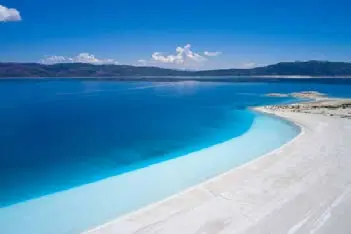
Salda Lake, in the Yeşilova district of Burdur, is known as "the Maldives of Türkiye" for its turquoise water and white shore. The white sand on the shore is made of a mineral called hydromagnesite, and because the lake is a special environmental protection area, visitors explore it in designated areas, following the conservation rules. To see the lake, choose the period between late spring and early autumn, when the light makes the water look most vivid, and combine your trip with Pamukkale.
What makes Salda special?
Salda is known as one of the cleanest and deepest lakes in Türkiye. The turquoise colour of the water comes from the white minerals on the lake bed and shore reflecting the light. Unlike the sea sand we know, the white beach on the shore is made of a mineral called hydromagnesite.
The lake also contains structures called stromatolites, which carry traces of the earliest forms of life on Earth from millions of years ago. These are layered rocks formed by microorganisms over time. This feature of Salda has also attracted the interest of scientists; the lake made international news because of its geological similarity to a crater on Mars.
Conservation rules and behaviour at the lake
Salda Lake is protected because its ecosystem is fragile. In recent years the rules have been tightened because of heavy visitor numbers and damage to the shore. Before you go, know the following:
- Stay in designated areas: Some parts of the shore are closed to visitors. Follow the signs and the staff.
- Do not take sand or stones: Collecting anything from the white sand or the shore as a souvenir is forbidden and harms nature.
- Learn the swimming rules: The areas where swimming in the lake is allowed may change over time. Check the current situation with the local authorities or the staff on site.
- Sunscreen and chemicals: Even if you are in an area where entering the water is allowed, remember that sunscreen washing into the lake can harm the ecosystem.
- Don't leave litter: Take back everything you bring.
When to go
Salda's turquoise colour is at its most vivid on clear days when the sun is high. From late May to early October is a good time in this respect. In midsummer it gets hot and the shore can become crowded; the mornings are both cooler and quieter. In winter the area around the lake is cold and windy, and it may snow. That season has its own beauty, but to see the lake's famous colour you should choose the summer months.
Photography tips
- Light: At midday, when the sun is overhead, the water shows its brightest turquoise; in the morning and late afternoon you get softer tones.
- Angle: Photos taken from a spot slightly above the shore show the water's colour gradients better.
- Polarising filter: It brings out the colour by reducing reflections on the surface of the water.
- Drones: Drone use may be restricted in protected areas; check whether permission is needed before flying.
How do you get there?
Salda Lake is within driving distance of Burdur city centre and Denizli. Because it is close to Pamukkale, the two are often visited on the same day. Public transport is limited, so it is easier to go by car or on an organised tour.
Combining Salda with an Aegean route
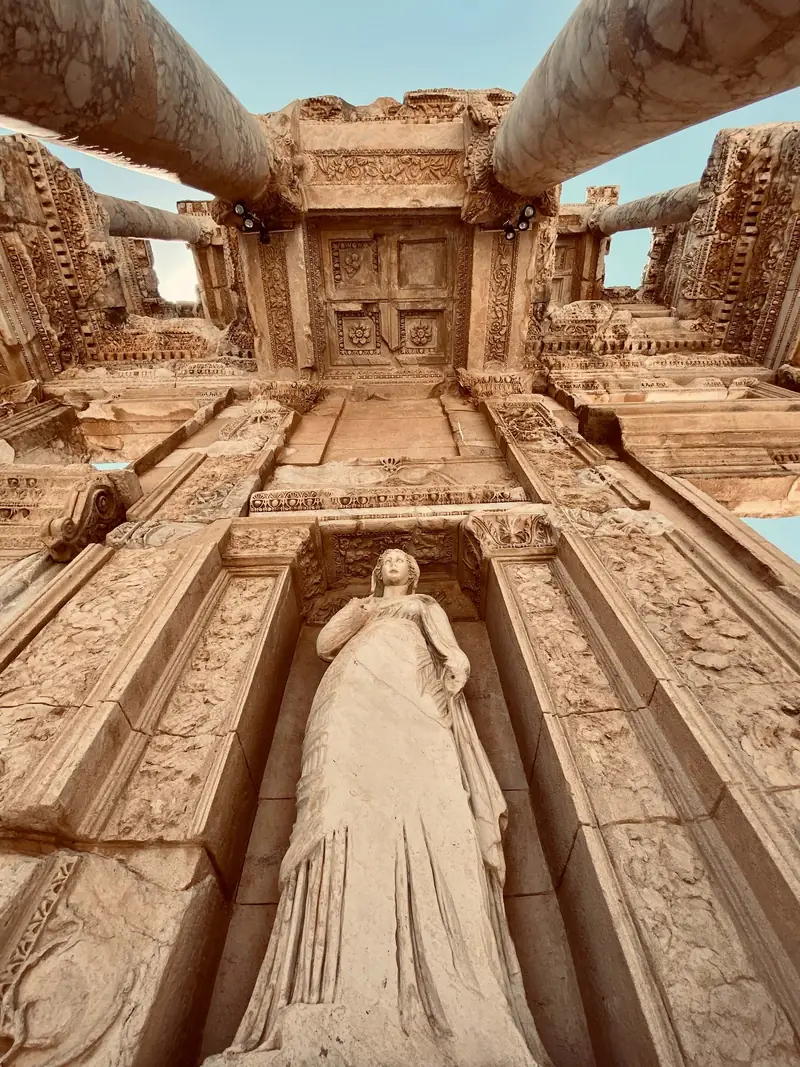
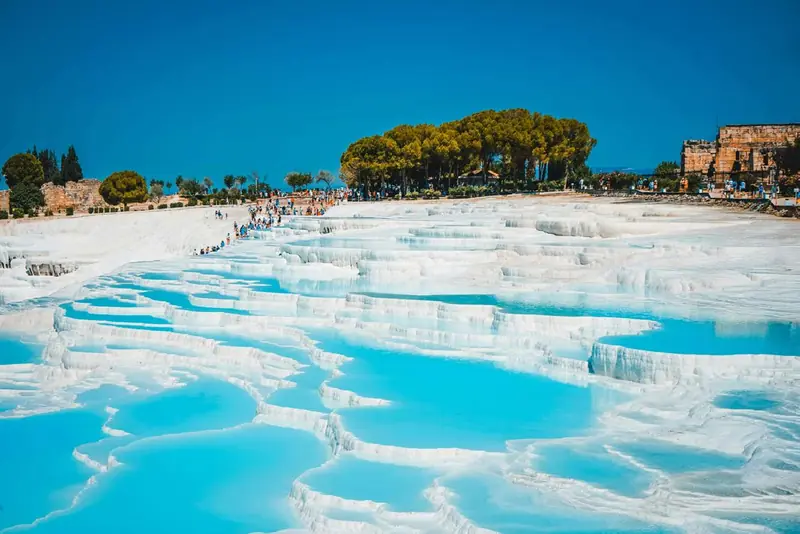
Salda Lake is a natural stop on routes heading into the inland Aegean. TatiliYakala's 2-night, 3-day Salda Lake, Pamukkale, Ephesus, Kuşadası and Şirince tour is a route designed to show you three different faces of the Aegean in a short time. Day two of the programme starts at Salda Lake with a guide's commentary; then you continue to the Pamukkale travertines and the ancient city of Hierapolis, and check into the hotel in Kuşadası in the evening. Day three is completed with the House of the Virgin Mary, the ancient city of Ephesus and Şirince.
To get to know the Pamukkale part of the tour in more detail, take a look at our Pamukkale and Hierapolis travel guide.
What to bring
- Sunglasses and a hat: the white shore and the water reflect the sun strongly.
- Comfortable shoes that are easy to take off.
- A light cardigan: the wind around the lake can feel cool.
- Water and a light snack: some parts of the shore may have no facilities.
- A small bag for your rubbish.
Around Salda
While you are at the lake, you can also take a look at the surrounding area. The small villages on the lakeshore show the region's rural life, which depends on farming and livestock. The pine forests around the lake offer a cool alternative for short walks. Burdur and its surroundings are also known as the lake district; other lakes of different colours and character are in this region too. However, seeing them on the same trip takes time. If you are visiting Salda as part of a one-day route, giving priority to the lake itself and a calm visit that follows the conservation rules makes for a more enjoyable experience.
Frequently asked questions
Is it forbidden to go into Salda Lake?
The lake is protected, and the areas where swimming is allowed may change over time. Before you go, check the current rules with the local authorities or the staff on site.
Why is Salda Lake white?
The white sand on the shore is made of a mineral called hydromagnesite. This white ground also plays an important part in making the water look turquoise.
Can you visit Salda Lake and Pamukkale on the same day?
Yes. The distance between the two is easy to cover by road, and many tour programmes fit both into the same day.
Which month should you go to Salda Lake?
To see the turquoise colour at its most vivid, late May to early October is a good time. In midsummer, choose the morning hours.